
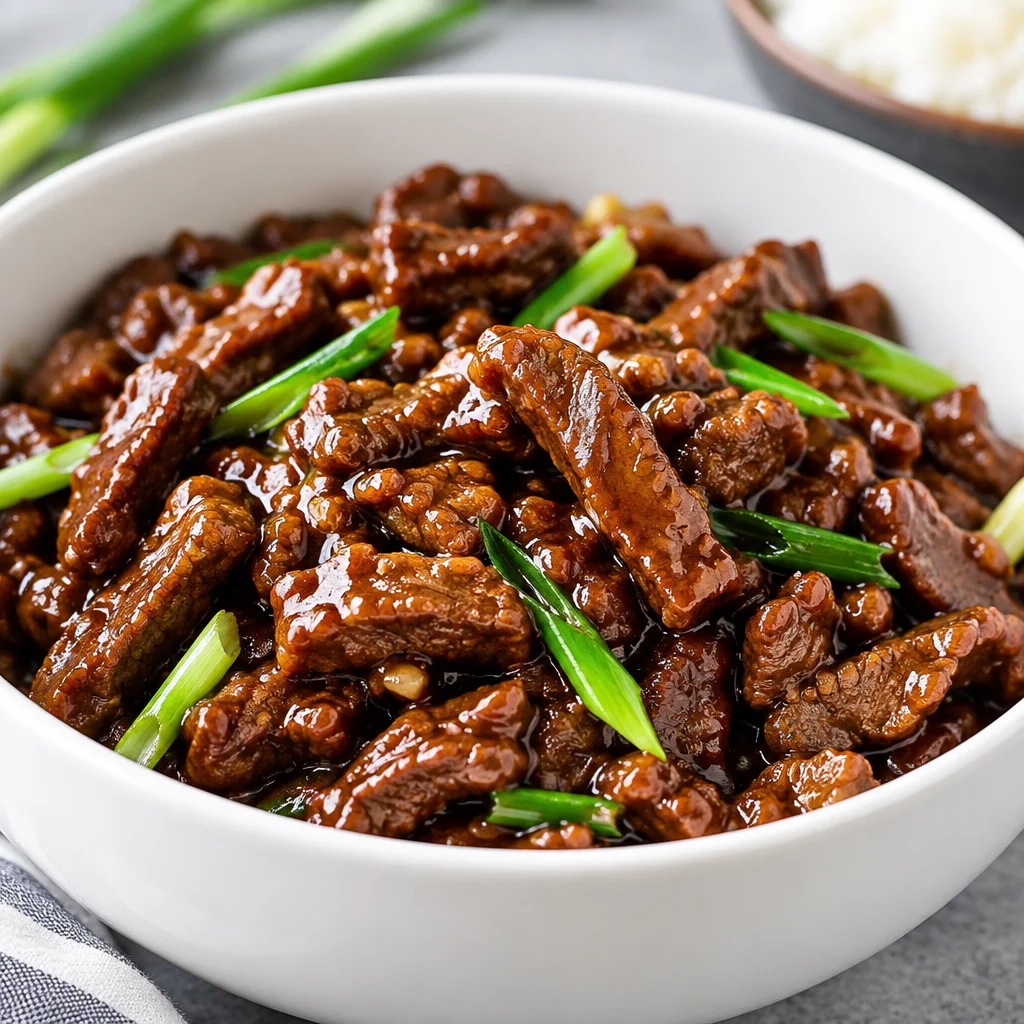
slow cooker mongolian beef is one of those lifesaver dinners for nights when you want something cozy and bold but you do not want to stand over a stove. I started making it after a long week when even ordering takeout felt like too much effort. The slow cooker does the heavy lifting, the house smells amazing, and dinner tastes like it came from your favorite spot. The best part is how **tender flank steak** gets when it hangs out in that sweet and savory sauce. If you have ever ended up with chewy beef, this recipe is your reset button.
Why Slow Cooker Mongolian Beef Works
This dish works so well in the slow cooker because the sauce is built for low and slow. You get that sticky, glossy vibe without babysitting a pan. Also, the flavors have time to soak into the meat, so every bite tastes like it belongs there.
I love that it is a set it and forget it kind of meal, but it still feels special. You can toss everything in, go live your life, and come back to a dinner that smells like you tried way harder than you did.
If you are in a slow cooker mood lately, you might also like this cozy beef dinner: Slow Cooker Beef Manhattan. Totally different vibe, but still that comforting, low effort payoff.
Best Beef Cuts for Tender Mongolian Beef
For slow cooker mongolian beef, I reach for flank steak most of the time. It is lean, it slices nicely, and when you treat it right, it turns out tender and flavorful.
Here are the best options in my experience:
- Flank steak: My favorite for that classic takeout style texture.
- Skirt steak: Similar to flank, just watch it so it does not overcook.
- Chuck roast: Richer and more shreddy, less like takeout strips but very tasty.
If you are using chuck and want another idea for it, this one is great for a different night: Mexican Slow Cooker Chuck Roast.
Sauce Ingredients and Flavor Balance
The sauce is the whole reason people crave this dish. It is sweet, salty, a little garlicky, and it clings to the beef in the best way. What you want is balance, not just sweetness.
This is the general flavor map:
Soy sauce brings the salty depth, brown sugar gives that warm sweetness, and garlic and ginger keep it from tasting flat. I also like a small splash of rice vinegar, because it wakes everything up without screaming sour.
And if you like garlic flavors as much as I do, you might want to bookmark this for later: Slow Cooker Garlic Butter Beef Bites. It is not the same flavor profile, but it scratches that garlic itch.
How to Slice Beef Against the Grain
This part sounds fussy, but it is honestly one of the biggest reasons your beef turns out tender instead of chewy. Flank steak has long muscle lines running across it. If you slice with those lines, you get long chewy strands. If you slice across them, you get shorter fibers that feel much more tender when you bite in.
Here is my quick method: I pat the flank steak dry, look for the lines, then slice thin strips across the lines. If you are unsure, slice a tiny piece, chew it, and adjust. It is such an easy fix, and it makes slow cooker mongolian beef feel like you nailed it.
Cornstarch Tips for a Glossy Sauce
Cornstarch is what gives you that shiny, takeout style sauce that coats everything. The trick is to avoid dumping it straight into the hot sauce, because it can clump and make you sad.
My go to move is a simple slurry. Stir cornstarch with a bit of cold water until smooth, then add it near the end of cooking. Give it time to bubble and thicken. If you want an even more velvety feel, you can lightly toss the beef strips with a little cornstarch before they go in, but I usually save it for the end to keep things simple.
How to Make Slow Cooker Mongolian Beef
Okay, here is the way I make it at home. Nothing complicated, and it is very forgiving.
What you will need
- Flank steak, sliced thin against the grain
- Soy sauce
- Brown sugar
- Garlic and ginger
- Water or beef broth
- Cornstarch and cold water for slurry
- Carrots (optional)
- Green onions for the end
Simple directions
- Whisk soy sauce, brown sugar, garlic, ginger, and water or broth in the slow cooker.
- Add sliced flank steak and toss it around so it is coated.
- Cook on low or high based on your schedule.
- Stir in cornstarch slurry near the end and let it thicken.
- Add green onions at the end and serve.
If you want a cousin recipe with warmer spices, this one is a fun change up: Slow Cooker Beef Curry.
Low and High Slow Cooker Cooking Times
Timing matters because flank steak is lean. It can get tender, but you do not want to cook it into dryness. Here is the timing that works best for me most weeks:
Low: about 3 to 4 hours
High: about 1.5 to 2.5 hours
Every slow cooker runs a little different. If yours is known for running hot, start checking earlier. You are looking for beef that is tender when you bite it, not falling apart like pot roast.
When to Add Carrots and Green Onions
Carrots are totally optional, but I like the pop of color and the little bit of sweetness. If you want them softer, add them at the beginning. If you want them with a little bite, add them halfway through.
Green onions are different. Add them at the end, always. They go from fresh and punchy to sad and wilted if they cook for hours. I slice a handful and toss them on right before serving, plus a little extra on top because it looks nice and tastes even better.
How to Keep the Beef Tender
This is where slow cooker mongolian beef can go wrong if you are not paying attention. The goal is tender strips, not dried out ones.
My best tips:
Slice thin so the sauce can soak in. Do not overcook, especially on high. And keep enough liquid in the cooker so the sauce does not reduce too far before you are ready to thicken it.
I made this on a busy school night and my family actually stopped scrolling their phones to eat. The beef was tender and the sauce tasted like our favorite takeout, but better.
How to Thicken or Thin the Mongolian Beef Sauce
If your sauce is thin, the cornstarch slurry is your friend. Add a little, stir, wait 10 minutes, and see where you are. You can always add more, but you cannot undo sauce that turned into jelly.
If your sauce is too thick, just loosen it with a splash of warm water or broth. Stir and let it heat through. I also sometimes add a tiny splash of soy sauce at the end if I thinned it too much and want the flavor to bounce back.
Spicy Sweet and Vegetable Variations
This recipe is easy to bend based on what you like.
For spicy, add red pepper flakes, a spoon of chili garlic sauce, or a small drizzle of sriracha. For extra sweet, bump the brown sugar a bit, but do it slowly. You want sweet and savory, not dessert sauce.
Vegetable ideas that work well:
Bell peppers added in the last hour, broccoli stirred in near the end so it stays bright, or snap peas right at the finish. I love making slow cooker mongolian beef with broccoli when I want it to feel more like a full meal.
Stovetop Option for Mongolian Beef
If you are short on time, you can absolutely do this on the stovetop. Sear the beef quickly in a hot pan, pour in the sauce ingredients, and simmer until the beef is cooked through. Then add the cornstarch slurry and stir until thick.
It will taste a little different because slow cooking has that deep, mellow thing going on, but the flavors are still awesome. Think of it as the weeknight emergency version.
What to Serve with Mongolian Beef
This is the fun part because the sauce wants something to soak into. Here are my favorite pairings:
- Steamed white rice or jasmine rice
- Brown rice if you want a heartier feel
- Rice noodles for a slippery, saucy bowl situation
- Stir fried green beans or broccoli
- Simple cucumber salad when you want something fresh on the side
If you are really in a takeout at home mood, you can keep this recipe in your rotation too: Slow Cooker Mongolian Beef. Yes, it is the same theme, but it is handy to have it bookmarked if you are bouncing between devices.
Make-Ahead Storage Freezing and Reheating
This dish holds up great, which is a big reason I make it. You can cook it, cool it, and store it in the fridge for about 3 to 4 days. The flavors get even better overnight.
For freezing, I like to freeze the beef and sauce together in a flat freezer bag so it thaws faster. It will keep well for around 2 to 3 months. When reheating, do it gently on the stove or in the microwave at medium power. Add a splash of water if the sauce tightened up in the fridge.
Slow Cooker Mongolian Beef FAQs
Can I use chicken instead of flank steak?
Yes. Use boneless thighs for the best texture. Breasts work too, but they can dry out faster.
Do I need to brown the beef first?
You do not have to. Browning adds a little extra flavor, but I skip it on busy days and it is still delicious.
Why is my beef chewy?
Usually it is sliced the wrong way or cooked too long. Slice against the grain and keep an eye on the time, especially on high.
Can I make it less sweet?
Totally. Cut the brown sugar by a few tablespoons and add a splash more soy sauce or a tiny bit of vinegar to balance.
What if my sauce tastes too salty?
Add a bit more water or broth, and a small spoon of brown sugar to smooth it out. Serve it with plain rice to mellow everything.
One last thing before you start cooking
If you have been craving slow cooker mongolian beef but you were worried it would turn out tough or bland, I really think this version will win you over. Keep the slices thin, do not overcook, and use the cornstarch slurry at the end for that glossy sauce that clings to the beef. When you want another perspective or a slightly different spin, I have pulled ideas from Slow Cooker Mongolian Beef – Dinner at the Zoo and also enjoyed reading Slow Cooker Mongolian Beef {have takeout at home} for more homey tips. Now grab that flank steak, let the slow cooker do its thing, and give yourself permission to have a dinner that feels like a treat without the stress.
Print
Slow Cooker Mongolian Beef
- Total Time: 4 hours 15 minutes
- Yield: 4 servings 1x
Description
A cozy and bold dinner made in the slow cooker, featuring tender flank steak in a sweet and savory sauce that tastes like takeout.
Ingredients
For the Beef
- 1 pound flank steak, sliced thin against the grain
For the Sauce
- 1/2 cup soy sauce (Brings salty depth)
- 1/4 cup brown sugar (Provides sweetness)
- 2 cloves garlic, minced (For flavor)
- 1 tablespoon fresh ginger, minced (For flavor)
- 1/4 cup water or beef broth (To adjust the sauce consistency)
- 2 tablespoons cornstarch (For slurry to thicken sauce)
- 1/4 cup cold water for slurry (To combine with cornstarch)
- 1 cup carrots, sliced (optional) (Add for sweetness and color)
- 1/4 cup green onions, sliced (for garnish) (Add at the end for freshness)
Instructions
Preparation
- Whisk together soy sauce, brown sugar, garlic, ginger, and water or beef broth in the slow cooker.
- Add the sliced flank steak and toss to coat evenly.
- Optionally, add carrots if you like them softer; otherwise add them midway through cooking.
Cooking
- Cook on low for 3 to 4 hours or on high for 1.5 to 2.5 hours.
- Near the end, stir in the cornstarch slurry and let it cook for a few more minutes to thicken.
- Add green onions just before serving.
Notes
This dish can be stored in the fridge for 3 to 4 days, and it freezes well for 2 to 3 months. Add a splash of water when reheating if needed.
- Prep Time: 15 minutes
- Cook Time: 4 hours
- Category: Dinner, Main Course
- Method: Slow Cooking
- Cuisine: asian, Chinese
Nutrition
- Calories: 400
- Sugar: 8
- Sodium: 800
- Fat: 15
- Saturated Fat: 5
- Carbohydrates: 28
- Fiber: 1
- Protein: 30












 Appetizers & Sides
 Main Dishes
 Drinks & Wellness
 Desserts & Baking