
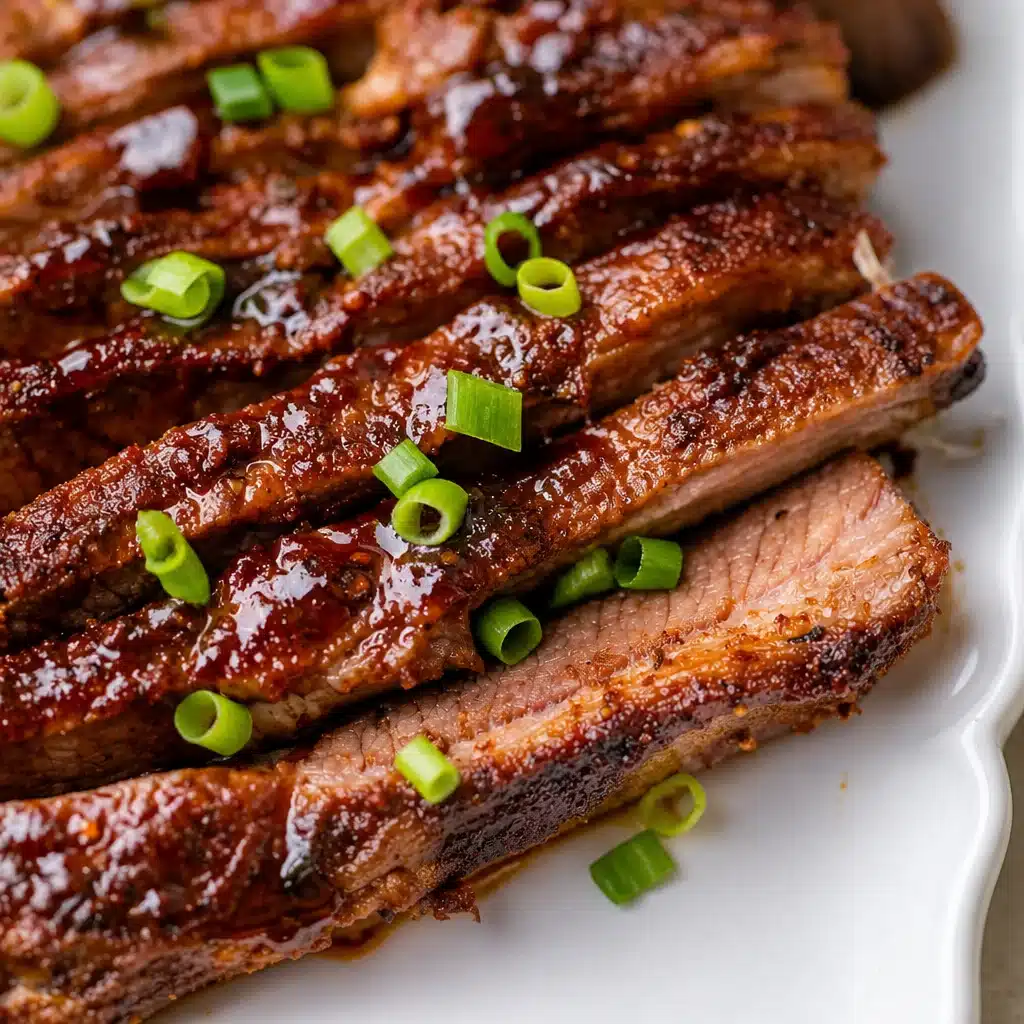
oven baked brisket is one of those meals I make when I want the house to smell amazing and I do not want to stand over a grill all day. Maybe you have had brisket at a barbecue spot and assumed it is impossible at home without fancy gear. I used to think that too, until I started making it in the oven with a savory dry rub and a little patience. This recipe is cozy, reliable, and honestly pretty hands off once it gets going. If you can set a timer and resist peeking too much, you can pull off a tender brisket that people talk about for days.
What Makes Oven Baked Brisket Work
The oven is steady. That is the big secret. Brisket is a tough cut with lots of connective tissue, and it needs slow heat to turn tender. In the oven, you can keep that low temperature locked in without wind, flare ups, or weather drama.
I also love that you can control moisture. Wrapping the brisket tightly helps it braise in its own juices, and that keeps things from drying out. The dry rub does the flavor work on the outside, and the inside becomes buttery and rich as it cooks.
If you like oven meals like oven baked chicken thighs, this brisket will feel like the weekend version of that same comfort food vibe, just bigger and beefier.
Choosing the Right Brisket Cut and Size
At most grocery stores you will see brisket sold as a whole packer brisket (flat and point together) or just the flat. For oven cooking, I usually choose the flat because it fits better in a roasting pan and slices nicely.
Here is what I look for:
Good marbling in the meat. A brisket that looks too lean can end up dry.
Even thickness if possible. Super thin ends cook faster and can dry out.
A fat cap still on top. We will trim it, but you want some of it there.
If you can only find a whole packer brisket, you can still do it. Just make sure your pan is large enough and plan for a longer cook.
How Much Brisket to Buy Per Person
Brisket shrinks as it cooks, and people tend to go back for seconds. I plan around 1/2 pound per person for a mixed dinner with sides, or 3/4 pound per person if brisket is the main event and everyone is hungry.
If you are feeding kids or you have lots of sides, you can lean closer to the 1/2 pound number. If you want leftovers for sandwiches, bump it up. Leftover brisket is basically a gift to your future self.
How to Trim the Fat Cap and Silver Skin
This part looks intimidating, but it is simple. Put the brisket on a cutting board and grab a sharp knife.
Trim the fat cap down to about 1/4 inch. Too thick and the rub cannot reach the meat well. Too thin and you lose protection during cooking.
Then look for any shiny, tough layer on the meat side. That is silver skin. Slide your knife under it and remove what you can. You do not have to be perfect, just get the thick parts. Silver skin does not melt and it can make slices chewy.
One tip that helps: chill the brisket for 20 to 30 minutes before trimming. Cold fat is easier to cut cleanly.
Dry Rub Ingredients and Flavor Options
This is where the personality comes in. My go to savory dry rub is bold but not too spicy, and it tastes like classic barbecue even though we are using the oven.
My savory dry rub (basic but so good)
- 2 tablespoons kosher salt
- 2 tablespoons coarse black pepper
- 1 tablespoon paprika
- 1 tablespoon brown sugar
- 2 teaspoons garlic powder
- 2 teaspoons onion powder
- 1 teaspoon ground cumin
- Optional: 1/2 teaspoon chili powder or cayenne if you want heat
If you want a different direction, try swapping paprika for smoked paprika, or add a pinch of mustard powder. You can also go a little more herb-y with dried thyme, but I keep it simple most of the time.
And if you are cooking for picky eaters, this rub is a safe win. It is savory, a little sweet, and it builds that craveable crust.
How Long to Season Brisket Before Baking
If I am thinking ahead, I season it the night before. That gives the salt time to work its way in and helps the meat hold on to moisture.
But real life happens. If you are cooking today, season it at least 45 minutes before it goes in the oven. Even 15 minutes is better than nothing, but longer is nicer.
After rubbing, I let it sit uncovered in the fridge if I have time. That dries the surface a bit, which helps the bark later.
How to Cook Brisket in the Oven Step by Step
This is the part where you just follow the plan and let time do the heavy lifting. Here is my simple method that has not failed me yet.
- Heat the oven to 275 F.
- Line a roasting pan with foil for easy cleanup.
- Place the brisket fat side up and rub it all over with the dry rub. Press it in.
- Add 1 to 2 cups beef broth to the bottom of the pan. Do not pour it over the top.
- Cover tightly with foil. Really tight, like no steam escaping.
- Bake until tender, usually 1 to 1.25 hours per pound, but start checking earlier.
- Uncover near the end to build bark, then rest before slicing.
While you wait, this is the perfect time to throw together easy sides. I have even served brisket with a seafood side once and it was weirdly great, like this baked cod in coconut lemon when I was feeding a crowd with different cravings.
Best Oven Temperature for Low-and-Slow Brisket
I stick with 275 F because it is slow enough to tenderize but not so slow that you are up all night. You can do 250 F if you want extra gentle cooking, but plan on more time.
Try not to crank the heat to rush it. Brisket is stubborn. High heat can tighten the meat and leave you with slices that feel dry even if the inside temperature looks okay.
Low and slow is the whole point of oven baked brisket, and this is where patience pays off.
Brisket Internal Temperature for Slicing or Shredding
Temperature matters, but tenderness matters more. For slicing, I aim for around 195 to 203 F in the thickest part. For shredding, you can go a little higher, like 205 F, as long as it is not drying out.
Here is my real test: I poke it with a fork or skewer. If it slides in with almost no resistance, you are there. If it still feels tight, keep cooking and check again in 20 to 30 minutes.
And yes, get a thermometer if you do not have one. It takes so much guesswork out of the process.
How to Build Bark Without Drying Out the Meat
Bark is that dark, flavorful crust everyone fights over. In the oven, the trick is timing.
I keep the brisket covered for most of the cook so it gets tender. Then I uncover it for the last 30 to 60 minutes so the surface can dry a bit and the rub can set into a crust.
If you want deeper color, you can brush the top with a thin layer of sauce or even a little diluted tomato paste in the last 30 minutes. Just do not drown it. Bark needs a dry surface to form.
Also, resist the urge to keep opening the oven. Every peek lets out heat and slows everything down.
Resting and Slicing Brisket Against the Grain
Resting is not optional. If you slice right away, the juices run out and you lose that tender bite.
I rest it, tented loosely with foil, for at least 30 minutes. An hour is even better if you have time. Then look at the meat and find the direction of the lines in it. That is the grain.
Slice across those lines, not with them. That is how you get tender slices instead of chewy ropes. For the flat, I like slices about pencil thick. If I am making sandwiches, I go a little thinner.
If you love easy baked proteins for weeknights, you might also like baked chicken thighs recipe for the same low stress feel, just faster.
Common Brisket Mistakes and How to Fix Them
I have made every mistake at least once, so here are the big ones and what to do.
Mistake: It is tough. Usually it just needs more time. Brisket can hit a stage where it feels stuck. Keep cooking and check tenderness again later.
Mistake: It is dry. You may have cooked too hot or sliced too soon. Next time, keep it covered longer and rest it properly. For now, slice it and pour some warm pan juices over the top.
Mistake: No flavor. Not enough salt in the rub or you did not season early enough. Add a finishing sprinkle of salt right before serving and serve with a bold sauce.
Mistake: The bottom burned. Use a deeper pan and make sure there is liquid in the bottom. Also place the pan on a middle rack, not too close to the heating element.
Cooking is forgiving when you stay calm and adjust. Brisket is dramatic, but you can handle it.
Serving Ideas and Sauces for Oven Brisket
This is where you can make it feel like a full spread without a ton of effort. Brisket is rich, so I like pairing it with something fresh or tangy.
- Classic: mashed potatoes, coleslaw, pickles
- BBQ plate: baked beans, cornbread, sliced onions
- Sandwich night: toasted buns, crunchy slaw, extra sauce
- Simple: rice, roasted veggies, a squeeze of lemon on the side
For sauces, you can do store bought barbecue sauce, a quick vinegar sauce, or even just the pan juices reduced a little on the stove.
And if you are cooking for kids or you want another easy finger food alongside it, baked chicken tenders are a surprisingly helpful backup for extra hungry families.
Make-Ahead, Storage, Freezing, and Reheating
Brisket is honestly better the next day. The flavors settle and it slices beautifully when chilled.
Make-ahead: Cook it fully, cool it, then refrigerate overnight in its juices. Slice the next day and reheat gently.
Storage: Keep in an airtight container with some juices. Good for 3 to 4 days.
Freezing: Freeze sliced brisket with a little broth or pan juice in freezer bags. It keeps well for about 2 to 3 months.
Reheating: Warm it covered in a 300 F oven with a splash of broth until heated through. Low and covered is the way to keep it juicy.
One more thing: if you have extra rub, save it in a jar. I have used it on chicken too, especially with creamy oven baked chicken thighs when I wanted something cozy but not as long of a cook.
Oven Brisket FAQs and Troubleshooting
Do I have to wrap brisket in foil?
I really recommend it. Wrapping keeps moisture in and helps tenderize the meat. If you skip it, you will need more babysitting and you risk a dry brisket.
Why did my brisket cook fast but still feel tough?
It likely hit temperature before it fully broke down inside. Keep cooking until it feels tender when you poke it. Brisket is done when it is tender, not just when the thermometer says a number.
Should I cook fat side up or down?
I do fat side up so the fat can baste the meat a bit. If your oven runs hot from the bottom, fat side down can protect it. Either works, just stay consistent and watch for burning.
Can I use this dry rub on other meats?
Yes. It is great on ribs, pork shoulder, and chicken. It is a nice all purpose savory blend.
What if my brisket is salty?
Slice it thinner and serve with unsalted sides like potatoes or rice. A tangy sauce also balances saltiness fast.
My favorite way to bring it all together
If you take anything from my kitchen rambling today, let it be this: oven baked brisket is totally doable without special equipment, as long as you give it time, keep it covered, and slice it the right way. The savory dry rub handles the flavor, and the slow oven heat handles the tenderness. If you want to compare notes, I have borrowed ideas over time from posts like My oven-baked brisket – Homesick Texan and Oven Baked Beef Brisket Recipe – The Mom 100, and then adjusted everything to match my own lazy Sunday style. Try it once, take a few notes, and next time you will feel weirdly confident. And when you pull that pan out and smell that peppery, garlicky crust, you will be so glad you did.
Print
Oven Baked Brisket
- Total Time: 7 hours 15 minutes
- Yield: 6 servings 1x
Description
This oven baked brisket recipe is the perfect hands-off method to achieve a tender and flavorful brisket without the need for a grill, featuring a savory dry rub and a slow cooking process for incredible results.
Ingredients
For the Brisket
- 1 whole brisket, 3-4 pounds (Flat cut is preferred for even cooking.)
For the Dry Rub
- 2 tablespoons kosher salt
- 2 tablespoons coarse black pepper
- 1 tablespoon paprika
- 1 tablespoon brown sugar
- 2 teaspoons garlic powder
- 2 teaspoons onion powder
- 1 teaspoon ground cumin
- 1/2 teaspoon chili powder or cayenne (Optional for heat)
For Baking
- 1 to 2 cups beef broth (For moisture at the bottom of the pan.)
- 1 piece aluminum foil (To cover the brisket tightly while cooking.)
Instructions
Preparation
- Season the brisket with the dry rub at least 45 minutes before baking or the night before for best results.
- Trim the fat cap down to 1/4 inch and remove any silver skin before seasoning.
Cooking
- Preheat the oven to 275°F (135°C).
- Line a roasting pan with foil for easy cleanup.
- Place the brisket fat side up and rub it all over with the dry rub, pressing it in.
- Add 1 to 2 cups of beef broth to the bottom of the pan, without pouring it over the brisket.
- Cover the brisket tightly with foil.
- Bake for about 1 to 1.25 hours per pound, checking for tenderness starting at about 6 hours for a 4-pound brisket.
- Uncover the brisket about 30 to 60 minutes near the end to develop bark, then allow to rest before slicing.
Notes
Brisket is best sliced against the grain. Allowing it to rest is crucial for juicy slices. If using leftover brisket, store in an airtight container with some of its juices for optimal flavor.
- Prep Time: 45 minutes
- Cook Time: 6 hours 30 minutes
- Category: Dinner, Main Course
- Cuisine: American, Barbecue
Nutrition
- Calories: 450
- Sugar: 5
- Sodium: 900
- Fat: 35
- Saturated Fat: 15
- Carbohydrates: 10
- Protein: 30

Related posts:
 The Ultimate Guide to Sandwich Recipes: Easy, Delicious Ideas for Breakfast, Lunch & Dinner
 Cozy Creamy Chicken Potato Casserole
 easy hot honey chicken bowl
 Tropical Citrus Grilled Chicken Recipe (Key West Style Marinade)
 10 Summer BBQ Chicken Recipes for Family Cookouts
 10 Best Homemade Sandwich Recipes for Lunch, Dinner & Picnics





 Appetizers & Sides
 Main Dishes
 Drinks & Wellness
 Desserts & Baking