
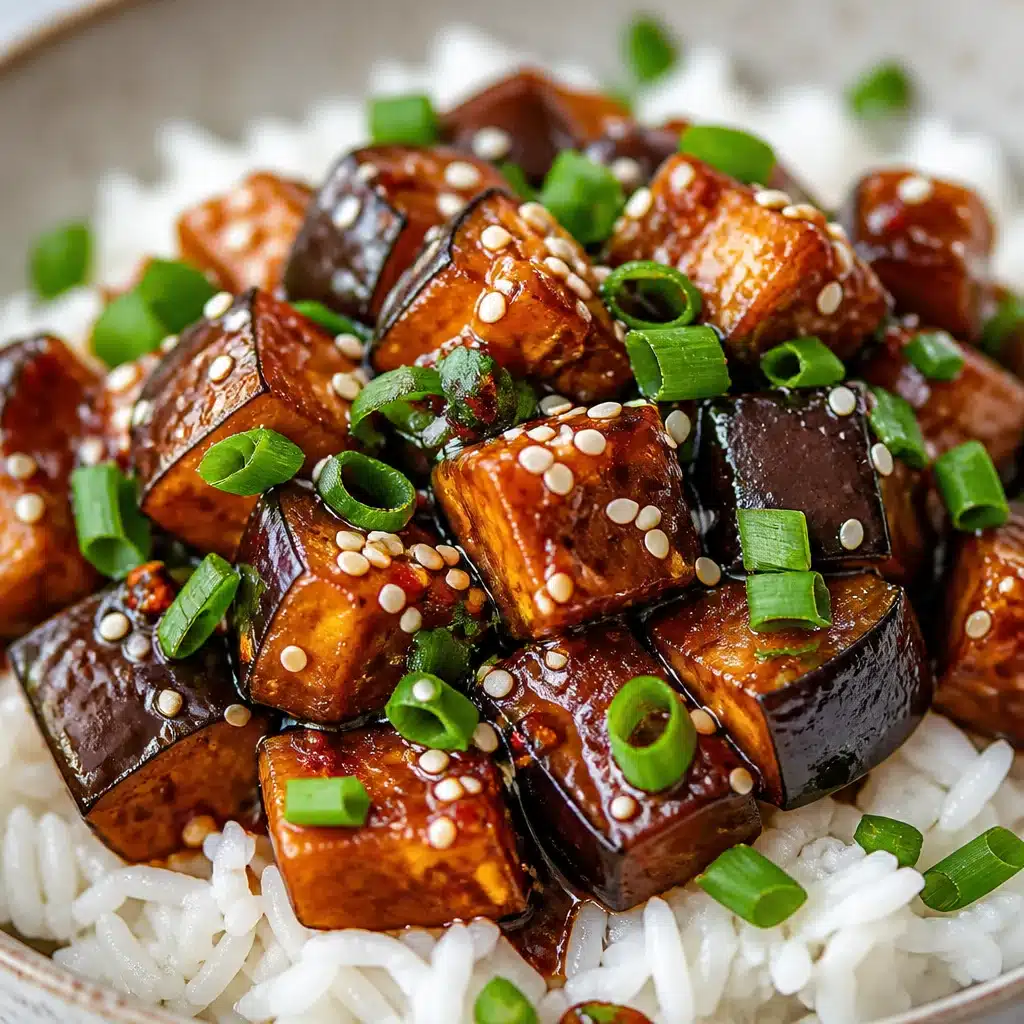
Gochujang is my little shortcut for turning a random weeknight into something you actually look forward to eating. If you have an eggplant sitting in your fridge and you are not sure what to do with it, this is the dinner move. This Easy Korean Gochujang Eggplant Recipe is spicy, a little sweet, super savory, and it soaks into the eggplant in the best way. I make it when I want big flavor but do not want to babysit a complicated sauce. Also, it is one of those meals that feels like takeout, but you made it at home in under 30 minutes.
Why You’ll Love This Easy Korean Gochujang Eggplant Recipe
This is the kind of recipe I keep on repeat because it checks a lot of boxes without being fussy. The eggplant turns tender and silky, and the sauce clings to it like it was meant to be there. The gochujang gives you heat and depth, not just plain spiciness.
Here is why I think you will love this Easy Korean Gochujang Eggplant Recipe:
Fast: It is weeknight friendly.
Big flavor: Spicy, sweet, salty, and a tiny bit tangy.
Flexible: Serve it with rice, noodles, tofu, chicken, or just eat it straight from the pan.
Comforting: It is warm, saucy, and satisfying without being heavy.
And if you are building a cozy dinner menu, I love pairing veggie mains with something comforting on the side like Instant Pot ham cheese broccoli soup on colder nights, especially when I want a full spread but minimal effort.
Ingredients You Need for the Best Gochujang Eggplant
I am going to keep this simple and realistic. You do not need a huge pantry haul. If you cook even a little bit of Korean inspired food at home, you probably already have most of this.
Quick shopping list
- 2 medium eggplants (or 3 smaller Asian eggplants)
- 2 tbsp neutral oil (avocado, canola, or grapeseed)
- 2 to 3 garlic cloves, minced
- 1 tbsp gochujang
- 1 tbsp soy sauce
- 1 tbsp honey or brown sugar
- 1 tbsp rice vinegar (or apple cider vinegar)
- 2 tbsp water
- 1 tsp sesame oil
- Sesame seeds and sliced green onion for topping
Eggplant note: if yours is huge and seedy, peel a few strips of skin and cut out any very spongy seed pockets. Nothing ruins the vibe like bitter eggplant.
If you want a hearty meal with a similar sweet and savory comfort feel, you might also like this ground beef sweet potato skillet for a totally different night.
How to Make Gochujang Eggplant Step by Step
I have made this so many times that I do it almost on autopilot, but I will walk you through it like I would if you were in my kitchen.
Step by step directions
1) Cut the eggplant. Slice into thick half moons or long batons. Try to keep pieces similar in size so they cook evenly.
2) Mix the sauce. In a small bowl, stir together gochujang, soy sauce, honey, rice vinegar, and water. It will look like a thick red sauce. That is exactly what you want.
3) Sear the eggplant. Heat oil in a large pan over medium high heat. Add eggplant in a single layer. Let it sit for a minute or two so it browns. Flip and keep cooking until the pieces start to soften. If your pan is crowded, do it in batches. Crowding makes it steam and go pale.
4) Add garlic. Lower heat to medium. Add minced garlic and stir for about 20 seconds. You want it fragrant, not burnt.
5) Sauce it up. Pour in the sauce. Stir gently so you do not smash the eggplant. Simmer 2 to 4 minutes until the sauce thickens and coats everything.
6) Finish. Turn off the heat. Stir in sesame oil. Top with green onion and sesame seeds.
This Easy Korean Gochujang Eggplant Recipe is best right away, while it is glossy and warm, but it also reheats well for lunches.
Expert Tips for Perfectly Tender and Flavorful Eggplant
Eggplant can be dramatic. One day it is silky and amazing, the next day it is dry or bitter. These tips make it consistent.
Use enough oil, but not a ton. Eggplant drinks oil, so use a measured amount and cook in batches if needed.
Do not rush the browning. A little color adds flavor and keeps it from tasting watery.
Add water to the sauce. That little splash helps the sauce spread and simmer without burning.
Sesame oil at the end only. It keeps the nutty aroma strong.
Taste and tweak. If you want it sweeter, add a little more honey. Saltier, a tiny splash of soy sauce.
Best Eggplant Varieties for Korean Eggplant Recipes
You can make this with whatever you find, but some eggplants behave better.
Asian eggplant: Long, slim, fewer seeds, very tender. My favorite for this.
Japanese eggplant: Similar to Asian eggplant, also great and cooks fast.
Globe eggplant: The big classic one. It works, just cut it into smaller pieces and watch for bitterness in older ones.
If you only have globe eggplant, you can salt the slices for 10 minutes, then pat them dry. I do not always do it, but if your eggplant tends to taste sharp, it helps.
Easy Variations and Recipe Substitutions
I love a recipe that forgives you when you are out of something. Here are easy swaps.
No honey? Use brown sugar or maple syrup.
No rice vinegar? Apple cider vinegar works, or even lemon juice in a pinch.
Gluten free: Use tamari or coconut aminos instead of soy sauce.
Want more protein? Add pan seared tofu cubes, shredded chicken, or even ground turkey.
Extra veggies: Toss in sliced mushrooms or zucchini near the end so they stay a bit crisp.
What to Serve with Gochujang Eggplant
This is saucy, so it loves something that can catch all that flavor.
- Steamed rice or brown rice
- Rice noodles or ramen style noodles
- Simple cucumber salad with vinegar and a pinch of salt
- Fried egg on top for an easy upgrade
- Roasted sweet potatoes for a sweet balance
Speaking of sweet potatoes, if you want a side that feels like pure comfort, these candied sweet potatoes are obviously more of a treat, but that sweet and spicy combo is honestly so fun.
How to Store, Refrigerate, Freeze, and Reheat Leftovers
I almost always make extra because the leftovers are lunch gold.
Fridge: Store in an airtight container for up to 4 days.
Freezer: You can freeze it, but eggplant gets softer after thawing. It is still tasty, just more stew like. Freeze up to 2 months.
Reheat: Warm in a pan over medium low with a splash of water. Microwave works too, but stir halfway so the sauce heats evenly.
One tip: store toppings like green onion and sesame seeds separately if you can. It keeps everything fresher.
Common Mistakes to Avoid When Cooking Eggplant
Eggplant is not hard, but a couple common slip ups can make it disappointing.
Overcrowding the pan: It steams instead of browns, and you lose flavor.
Heat too high for the sauce: Gochujang can scorch. Once the sauce goes in, lower the heat.
Cutting pieces too thin: They can turn mushy fast. Keep them chunky.
Not tasting the sauce: Brands of gochujang vary. Some are sweeter, some are hotter. Taste and adjust.
Is Gochujang Eggplant Healthy? Nutrition, Dietary Swaps, and Meal Prep
In my regular life, I aim for meals that feel satisfying and still give me something good. This one fits nicely. Eggplant is low calorie and has fiber, and the sauce is strong enough that you do not need a huge amount of it to feel like you are eating something exciting.
To make this Easy Korean Gochujang Eggplant Recipe a little lighter:
Use less oil and cook in batches so it still browns.
Cut sugar by using less honey or swapping to a zero sugar sweetener you like.
Lower sodium by using low sodium soy sauce.
Meal prep idea: Make a double batch and portion with rice and a simple veg like steamed broccoli.
If you are planning meals for the week and want another easy carb that is not plain rice, I have been into this cozy sweet potato cornbread recipe on the side of spicy dishes. The sweetness is a nice break.
More Korean-Inspired Vegetable Recipes to Try
If you like the spicy sweet vibe here, you can take the same sauce idea and use it on other veggies too. I have tried it with:
Cauliflower: Roast it first, then toss with sauce.
Green beans: Quick stir fry, then glaze.
Mushrooms: They soak up sauce like a sponge in a good way.
Zucchini: Cooks fast, so keep the heat moderate.
Once gochujang is in your kitchen, you start looking at vegetables differently. It makes them feel exciting without needing meat.
Troubleshooting Your Gochujang Eggplant Recipe
If your pan is not cooperating, do not worry. Here are quick fixes.
My eggplant is bitter: Next time, choose smaller eggplants or salt the pieces for 10 minutes and pat dry. Also make sure it is not old.
My sauce is too spicy: Add a little more honey and a splash of water. You can also stir in a spoon of plain yogurt when serving, if you like creamy heat.
My sauce is too salty: Add water and a little extra eggplant or mushrooms if you have them.
My eggplant is still firm: Add 2 to 3 tablespoons of water, cover the pan for 2 minutes, then uncover and simmer until tender.
Common Questions
Can I bake the eggplant instead of pan frying?
Yes. Roast at 425 F with oil and salt for about 18 to 22 minutes, then toss in the sauce and simmer it in a pan for 2 minutes to thicken.
How spicy is this?
Medium, depending on your gochujang. Start with 1 tablespoon and add more after tasting.
Do I need to peel the eggplant?
Nope. The skin helps it hold shape. If your eggplant is very large or tough, peel a few strips.
Can I make this ahead for guests?
Yes, but it is best fresh. Make it up to a day ahead and reheat gently in a pan with a splash of water.
What if I cannot find gochujang?
It is worth finding if you can. If you must substitute, try a mix of miso, a little chili sauce, and a touch of sugar, but the flavor will not be quite the same.
A Cozy Finish and A Little Push to Try It
This Easy Korean Gochujang Eggplant Recipe is one of those simple meals that makes you feel like you have your life together, even if the sink is full of dishes. Once you try it, you will see how eggplant can turn into something bold and satisfying with just a quick sauce and a hot pan. If you are curious about the ingredient that makes it all happen, this guide on What IS gochujang and why you should be obsessed with it is a fun read. And if you want to stock your pantry, this Gochujang – Premium Korean Red Chili Paste is a solid option to start with. Make it this week, tweak it to your taste, and do not be surprised if it becomes your new go to dinner.
Print
Easy Korean Gochujang Eggplant
- Total Time: 25 minutes
- Yield: 4 servings 1x
Description
A quick and flavorful weeknight dish featuring tender eggplant in a spicy, sweet, and savory gochujang sauce that mimics takeout vibes at home.
Ingredients
Eggplant and Sauce Ingredients
- 2 medium medium eggplants (Or 3 smaller Asian eggplants. If large and seedy, peel a few strips and cut out the spongy seed pockets.)
- 2 tbsp neutral oil (avocado, canola, or grapeseed) (For frying the eggplant.)
- 2 to 3 cloves garlic, minced (Add fragrant flavor.)
- 1 tbsp gochujang (Korean chili paste.)
- 1 tbsp soy sauce (Can use tamari for gluten-free option.)
- 1 tbsp honey or brown sugar (For sweetness.)
- 1 tbsp rice vinegar or apple cider vinegar (Adds acidity.)
- 2 tbsp water (Helps to thin the sauce.)
- 1 tsp sesame oil (Added at the end for flavor.)
- to taste as needed sesame seeds and sliced green onion (For topping.)
Instructions
Preparation
- Slice the eggplants into thick half moons or long batons, keeping the pieces similar in size for even cooking.
Mix Sauce
- In a small bowl, stir together gochujang, soy sauce, honey, rice vinegar, and water until well combined.
Sear Eggplant
- Heat oil in a large pan over medium-high heat. Add eggplant in a single layer and let it sear for 1-2 minutes until browned.
- Flip the eggplant and cook until pieces start to soften, doing in batches if necessary.
Add Garlic
- Lower heat to medium and add the minced garlic. Stir for about 20 seconds until fragrant.
Add Sauce
- Pour in the sauce and gently stir to coat the eggplant. Simmer for 2-4 minutes until the sauce thickens.
Finish
- Turn off the heat, stir in sesame oil, and top with sliced green onion and sesame seeds before serving.
Notes
For best results, store toppings separately if making leftovers. Leftovers can be stored in an airtight container in the fridge for up to 4 days or frozen for up to 2 months.
- Prep Time: 10 minutes
- Cook Time: 15 minutes
- Category: Main Course, Vegetarian
- Cuisine: Korean
Nutrition
- Calories: 150
- Sugar: 7
- Sodium: 500
- Fat: 7
- Saturated Fat: 1
- Carbohydrates: 19
- Fiber: 5
- Protein: 3

Related posts:
 Homemade Chicken Pad Thai (Authentic Thai Stir Fry Noodles in 30 Minutes)
 Bacon Brown Sugar Chicken Tenders (Easy 5-Ingredient Recipe)
 Chicken Bubble Biscuit Bake Casserole (Easy Bubble Up Chicken Casserole Recipe)
 Best Buffalo Chicken Lasagna Recipe with Ranch and Cheese
 The Best Corn Chowder Recipe with Fresh or Frozen Corn
 Crispy Eggplant Katsu (Easy Vegan Japanese Recipe)





 Appetizers & Sides
 Main Dishes
 Drinks & Wellness
 Desserts & Baking