
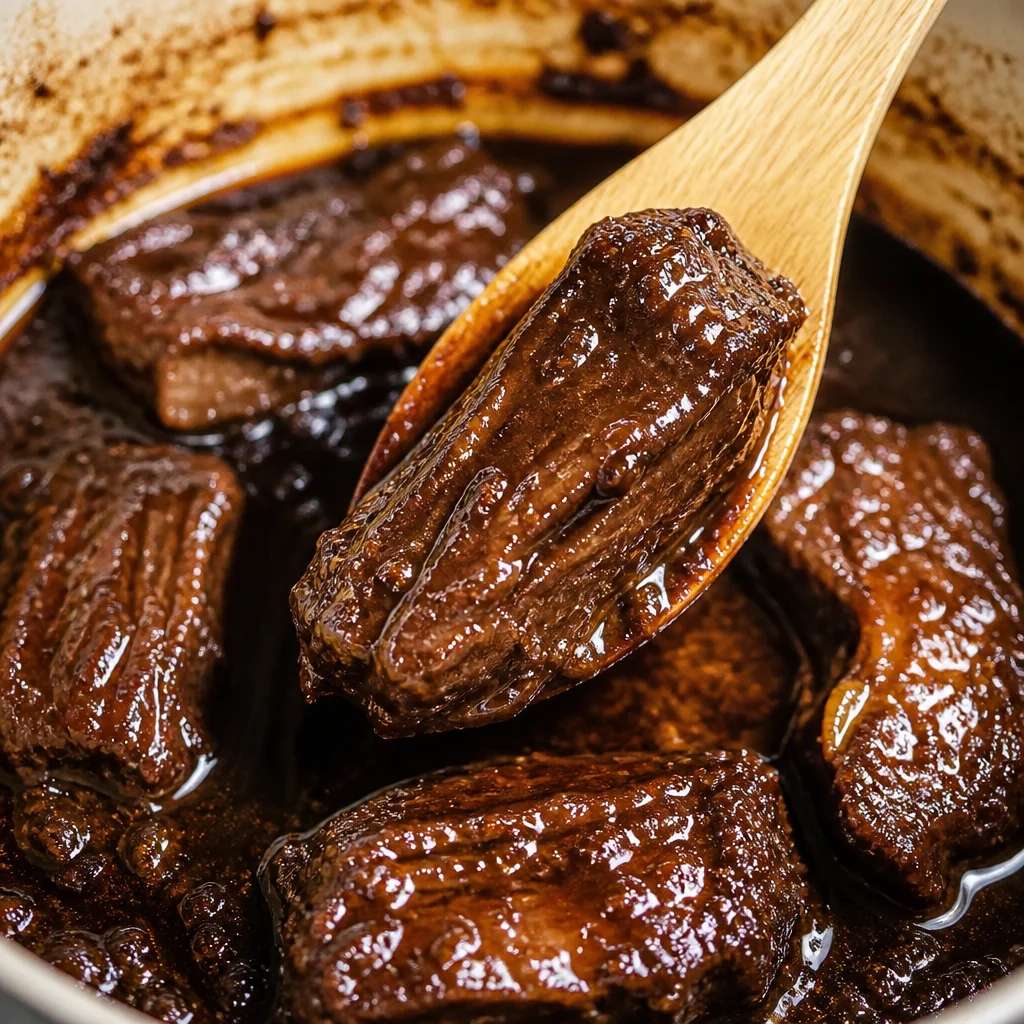
Korean Braised Short Ribs are my go to meal when I want something that feels cozy, a little fancy, and basically guaranteed to make everyone quiet at the table. You know those days when you are hungry now, but you also want dinner to taste like you tried really hard? This is that recipe. It is sweet, savory, and spicy in a really balanced way, and the sauce clings to the beef like it was meant to be there. The best part is you do not need special skills, just a little patience and a pot with a lid. Let me walk you through my favorite way to make sweet, sticky, tender galbi jjim at home.
Why This Korean Braised Short Ribs Recipe Works Better Than Restaurant Versions
Restaurant galbi jjim can be amazing, but it is also sometimes too sweet, too salty, or weirdly oily. When you make it at home, you control everything. You can pick ribs with good meat, skim the fat, and adjust the spice level so it is actually enjoyable, not just intense.
Also, homemade Korean Braised Short Ribs taste deeper because you can take your time with the steps that build flavor. Searing the ribs, using real aromatics like garlic and ginger, and letting the sauce reduce until it is glossy makes a big difference. And honestly, the leftovers might be the best part.
If you love Korean comfort food nights like I do, you should also try these Korean BBQ steak rice bowls on a busy weeknight. Different vibe, same satisfying flavors.
Ingredients for Korean Braised Beef Short Ribs (Galbi Jjim)
Here is what you need. Nothing too wild, and I will mention easy swaps in later sections. I lean toward ingredients you can find at a regular grocery store plus one quick stop at an Asian market if needed.
- Beef short ribs, bone in (English cut or flanken, details below)
- Onion, sliced
- Carrots, cut into chunks
- Daikon radish (optional but very traditional)
- Garlic, lots of it
- Fresh ginger
- Low sodium soy sauce
- Brown sugar or honey
- Asian pear (or apple as backup)
- Sesame oil
- Gochujang for heat and depth
- Rice wine or mirin (optional but nice)
- Black pepper
- Green onions and sesame seeds for serving
One more thing. Keep some water or unsalted beef broth nearby. You want enough liquid for braising, but not so much that the sauce turns thin and sad.
I usually serve this alongside simple sides, and when I need an easy appetizer while the ribs cook, I make Korean BBQ meatballs with mayo dip. They disappear fast.
How to Choose the Best Short Ribs for Braised Korean Beef
This part matters. The right cut makes the difference between tender and dreamy versus chewy and frustrating.
English cut vs flanken cut
English cut short ribs are thick blocks with one bone on the side. They braise beautifully and stay juicy. Flanken cut ribs are thin slices across multiple bones. They cook faster, but they can dry out if you are not careful. For true braised Korean beef vibes, I prefer English cut.
Look for ribs with good marbling and meat on the bone. Avoid pieces that are mostly fat caps with little meat. If you can, ask the butcher for meaty pieces that are similar size so they cook evenly.
And yes, you can still make Korean Braised Short Ribs with either cut. Just adjust cooking time and keep an eye on tenderness.
Korean Braising Sauce Explained (The Secret to Authentic Flavor)
This sauce is where the magic happens. It is a mix of salty, sweet, and spicy, with fruit blended in for that classic Korean tenderness and subtle sweetness.
Here is what each part does in plain language:
Soy sauce brings the salty backbone. Brown sugar or honey adds sweetness that turns sticky as it reduces. Garlic and ginger make it smell amazing and taste layered. Asian pear has enzymes that help soften the meat and it also makes the sauce taste rounder. Gochujang gives you that slow, warm heat and a little fermented depth.
If you are worried about spice, start with less gochujang and add more at the end. The ribs will still taste like Korean Braised Short Ribs even if you keep it mild.
Step-by-Step Preparation for Korean Braised Short Ribs
Before you cook, do a little prep. It saves stress later.
1) Soak the ribs in cold water for 20 to 30 minutes, then drain. This helps pull out extra blood and keeps the broth cleaner.
2) Parboil for 5 minutes if you want an extra clean tasting sauce. Put ribs in a pot, cover with water, bring to a boil, then drain and rinse. This step is optional, but I do it when I want a clear, glossy finish.
3) Blend the sauce base. I usually blend onion, pear, garlic, ginger, soy sauce, sugar, and a splash of water until smooth. Stir in gochujang and sesame oil after blending.
4) Chop your veggies. Keep carrot and radish chunks big so they do not melt into mush.
How to Sear Short Ribs for Maximum Flavor
Do not skip searing if you can help it. It adds that rich, roasted taste that makes the sauce feel restaurant level.
Pat the ribs dry with paper towels. Heat a little oil in a Dutch oven or heavy pot over medium high heat. Sear in batches. You want deep brown surfaces, not grey steamed meat. Flip and brown all sides you can.
Once seared, pull the ribs out and pour off excess grease if there is a lot. Leave a little behind because that browned goodness on the bottom is flavor.
Oven-Braised Korean Short Ribs (Dutch Oven Method)
This is my favorite method. The heat is even, and you do not have to babysit it much.
Add ribs back into the pot. Pour in the sauce and add enough water or broth to barely cover the ribs. Add carrots and radish. Bring it to a gentle simmer on the stove, then cover with a lid and move to a 325 F oven.
Braise 2.5 to 3.5 hours, depending on thickness. Flip the ribs once halfway if you remember. When they are tender, take the lid off for the last 20 to 30 minutes to let the sauce reduce. If the sauce still looks thin, you can pull the ribs out and simmer the sauce on the stove until it turns glossy.
I like serving the ribs with rice and something fresh on the side. If you want a fun roll up for leftovers, try kimbap Korean seaweed rice rolls the next day. It is such a good lunch.
Slow Cooker Korean Braised Short Ribs Method
This is the hands off option. Sear the ribs first if you can, then add everything to the slow cooker. Cook on low for 8 hours or high for 4 to 5 hours.
One note. Slow cookers do not reduce sauce well. When the ribs are tender, move the sauce to a saucepan and boil it down for 10 to 15 minutes until thickened. Then pour it back over the ribs. This step makes it taste like true Korean Braised Short Ribs, not just beef in a salty broth.
Instant Pot Korean Short Ribs for Quick Cooking
When you want galbi jjim but you also want it tonight, the Instant Pot is your friend.
Sear using saute mode. Add sauce and enough liquid so you do not get a burn warning, usually 1 to 1.5 cups. Pressure cook on high for about 35 to 45 minutes for English cut ribs, then natural release for 15 minutes. If using flanken cut, shorten the time a lot, closer to 10 to 15 minutes.
After pressure cooking, remove ribs and simmer the sauce on saute to thicken. Taste and adjust. A little more gochujang for heat, a touch more honey for shine, or a splash of soy sauce if it needs salt.
Cooking Time, Temperature, and Doneness Guide
This is the part people overthink, so here is my simple guide.
Oven method: 325 F for 2.5 to 3.5 hours. The ribs are done when a fork slides in easily and the meat is starting to pull away from the bone.
Slow cooker: Low 8 hours or high 4 to 5 hours. Done when you can twist the bone slightly and it feels loose.
Instant Pot: 35 to 45 minutes high pressure for thick English cut ribs, plus natural release.
If you want a number, the meat is usually very tender around 195 to 205 F internal, but you do not need a thermometer if you can test it with a fork. Korean Braised Short Ribs should feel soft and yielding, not bouncy.
Expert Tips for Ultra-Tender, Fall-Apart Korean Beef
I have made these enough times to learn a few things the hard way.
Do not rush the braise. If they are tough, they just need more time. Add 20 to 30 minutes and check again.
Use low sodium soy sauce. It gives you room to reduce the sauce without it turning too salty.
Skim fat. Chill the pot for a bit and spoon off hardened fat if you have time. The sauce tastes cleaner after that.
Add gochujang in layers. I like starting mild, then adding more at the end so the heat tastes fresh and not cooked out.
Flavor Variations and Customizations for Galbi Jjim
You can totally make this your own.
For sweeter ribs, add an extra tablespoon of honey. For more heat, add gochujang and a pinch of gochugaru if you have it. For a deeper savory vibe, add a spoon of doenjang if you keep it around, but it is optional.
If you cannot find Asian pear, use a crisp apple like Honeycrisp. It still gives you that gentle fruit sweetness that makes Korean Braised Short Ribs taste special.
And if you like fun sides with a kick, these Korean BBQ meatballs with zesty spicy mayo dip are a spicy little party next to a bowl of rice.
What to Serve with Korean Braised Short Ribs
This dish is rich, so I like pairing it with simple things that soak up sauce and brighten the plate.
- Steamed white rice or short grain rice
- Kimchi or quick pickled cucumbers
- Sauteed spinach or garlic green beans
- Simple napa cabbage salad with sesame dressing
- Roasted broccoli if you want easy and familiar
If you want a super easy bowl meal for another night, I make this Korean ground beef bowl recipe when I need dinner fast but still crave Korean flavors.
Storage, Reheating, Meal Prep, and Frequently Asked Questions
Korean Braised Short Ribs store really well, which is nice because they take time to cook. Let them cool, then store in an airtight container with plenty of sauce.
Fridge: 3 to 4 days.
Freezer: Up to 2 to 3 months. Freeze with sauce to prevent drying out.
Reheating: Warm gently on the stove covered, adding a splash of water if the sauce is thick. Microwave works too, but use a lower power so the meat stays tender.
Common questions
Do I have to parboil the ribs first?
Nope. It just makes the sauce cleaner and less foamy. If you are short on time, skip it and skim any foam while it simmers.
My sauce tastes too salty. What do I do?
Add a bit of water and a touch more pear or honey, then simmer for a few minutes. Next time, use low sodium soy sauce.
Can I make it less spicy for kids?
Yes. Use just a small spoon of gochujang, or leave it out and add it at the table for adults.
Why are my short ribs still tough?
They just need more time. Keep braising until they relax. Tough meat is usually undercooked, not overcooked.
Can I prep this ahead for a dinner party?
Absolutely. Make it a day ahead, chill, skim fat, then reheat slowly. The flavor gets even better overnight.
A Cozy Pot of Ribs Worth the Wait
If you have been craving that sweet, savory, spicy comfort at home, this is the recipe that delivers. Once you try Korean Braised Short Ribs your kitchen will smell like you ordered something special, but you did it yourself. For extra inspiration, I have also pulled ideas from korean braised short ribs – Smitten Kitchen and the classic approach in Galbi Jjim (Korean Braised Short Ribs). Make a big pot, invite someone you like, and do not forget the rice because that sauce deserves it.
Print
Korean Braised Short Ribs
- Total Time: 4 hours
- Yield: 4 servings 1x
Description
A cozy, sweet, savory, and spicy dish that features tender beef short ribs braised in a flavorful sauce. Perfect for any dinner occasion.
Ingredients
Main Ingredients
- 4 pounds Beef short ribs, bone in (English cut or flanken) (English cut is preferred for tenderness.)
- 1 medium Onion, sliced
- 2 medium Carrots, cut into chunks
- 1 medium Daikon radish (optional but very traditional)
- 5 cloves Garlic, minced (Lots of garlic for flavor.)
- 1 tablespoon Fresh ginger, minced
- 1/2 cup Low sodium soy sauce (Use low sodium for better control over saltiness.)
- 1/4 cup Brown sugar or honey
- 1 medium Asian pear (or apple as backup) (Offers sweetness and helps tenderize the meat.)
- 2 tablespoons Sesame oil
- 1 tablespoon Gochujang (For heat and depth.)
- 1/2 cup Water or unsalted beef broth (For braising.)
For Serving
- 2 tablespoons Green onions, sliced (For garnish.)
- 2 tablespoons Sesame seeds (For garnish.)
Instructions
Preparation
- Soak the ribs in cold water for 20 to 30 minutes to pull out extra blood.
- Optional: Parboil for 5 minutes for a cleaner sauce. Rinse and drain.
- Blend the sauce base by blending onion, pear, garlic, ginger, soy sauce, sugar, and a splash of water until smooth. Stir in gochujang and sesame oil.
- Chop carrots and radish into large chunks.
Searing
- Pat the ribs dry with paper towels. Heat oil in a Dutch oven over medium-high heat.
- Sear the ribs in batches until deep brown on all sides. Remove excess grease.
Braising
- Add the ribs back to the pot. Pour in the sauce and add enough liquid to cover the ribs barely.
- Add carrots and radish. Bring to a simmer, cover, and transfer to a 325°F oven.
- Braise for 2.5 to 3.5 hours until tender, flipping halfway. Uncover for the last 20 to 30 minutes to reduce the sauce.
Notes
Serve with steamed rice, kimchi, and sautéed greens. Leftovers are great for kimbap.
- Prep Time: 30 minutes
- Cook Time: 3 hours 30 minutes
- Category: Dinner, Main Course
- Cuisine: Korean
Nutrition
- Calories: 500
- Sugar: 15
- Sodium: 900
- Fat: 20
- Saturated Fat: 7
- Carbohydrates: 45
- Fiber: 3
- Protein: 40

Related posts:
 Sweet Potato Bowl Recipes 2025: 10 Viral Ideas to Try at Home
 Crockpot Sausage and Green Beans: Dump-and-Go Recipe
 Why This Crockpot Chicken Pot Pie Is the Easiest Comfort Food
 Cajun Potato Soup for Holidays and Cold Weather
 Delicious Shrimp and Corn Chowder That Will Warm Your Heart
 Crunchy Crispy Air Fryer Chicken & Mozzarella Wraps | Easy Air Fryer Recipe





 Appetizers & Sides
 Main Dishes
 Drinks & Wellness
 Desserts & Baking