
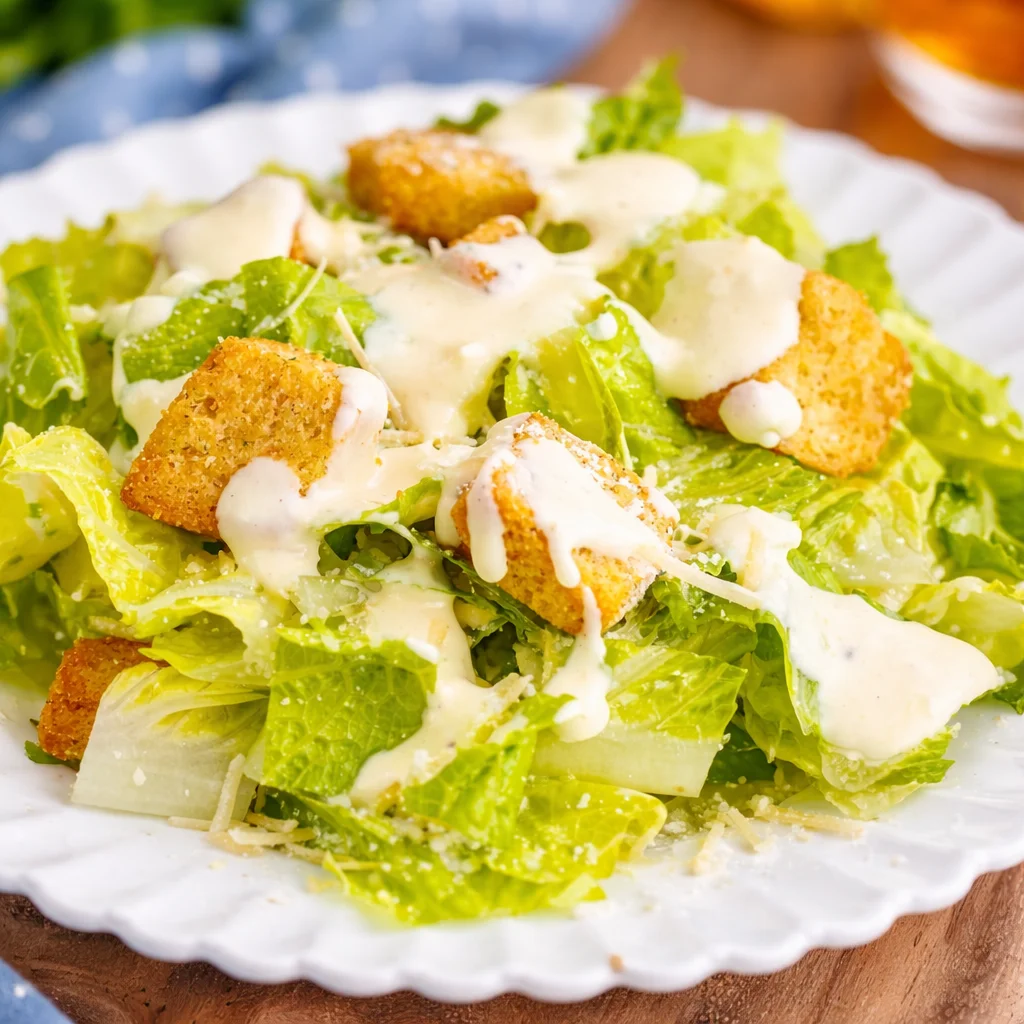
HOMEMADE CAESAR SALAD DRESSING is one of those things I used to overthink. Like, I love Caesar salad, but the bottled stuff always tasted a little flat or weirdly sweet to me. Then I’d order it at a restaurant and wonder why theirs was so tangy and creamy. After a few tries at home (and one batch that was way too garlicky, oops), I landed on a version that tastes like the real deal without being fussy. If you want a dressing that’s bold, smooth, and actually worth making from scratch, you’re in the right place.
Caesar Dressing Ingredients (Mayo, Parmesan, Lemon, Dijon, Garlic, Worcestershire)
Let’s keep this simple and super doable. My go to HOMEMADE CAESAR SALAD DRESSING leans on pantry basics, and it still gives you that classic bite.
- Mayo for creaminess and body
- Parmesan (finely grated) for salty, nutty flavor
- Lemon juice for tang and brightness
- Dijon mustard for a little zip and emulsifying help
- Garlic (fresh) for that Caesar kick
- Worcestershire sauce for deep savory flavor
- Salt and black pepper to finish
That’s the core. If you want the full classic vibe, you can add anchovy paste too (I’ll talk about that in a minute). Also, if you’re already in a salad mood, my sweet and seasonal Christmas salad with honey mustard dressing is another fun one to keep in your back pocket.
Ingredient Notes & Best Substitutions (Anchovy Paste, Dijon, Parmesan, Lemon Juice)
This is where most people get stuck, so here’s the real world version.
Anchovy paste: Totally optional, but it adds that classic Caesar “restaurant” taste. It doesn’t make the dressing taste fishy, it just makes it taste more like Caesar. If you don’t have it, you can use a tiny splash more Worcestershire. If you’re vegetarian, skip it and use one of the flavor boosts I share below.
Dijon: Dijon is best here because it’s smooth and a little sharp. Yellow mustard works in a pinch, but use less because it can take over.
Parmesan: Use freshly grated if you can. The powdery shelf stable kind can make the texture a bit sandy. If you only have pre shredded Parmesan, chop it up or blend the dressing longer.
Lemon juice: Fresh is my favorite. Bottled lemon juice is fine, but start smaller and add slowly because the flavor can be a little harsher.
And if you’re meal prepping lunches, Caesar flavors are perfect in pasta salad too. I’ve been obsessed with this chicken Caesar pasta salad mason jar meal prep situation when I need something grab and go.
Equipment & Prep (Whisk vs Food Processor vs Blender)
You don’t need fancy gear for HOMEMADE CAESAR SALAD DRESSING, but the tool you pick changes the texture a little.
Whisk: Best for small batches and quick clean up. The dressing stays slightly rustic, which I actually like.
Food processor: Great if you want it extra smooth, especially when using whole garlic and grated Parmesan. It also helps if you’re adding anchovies.
Blender: Smoothest option. Just be careful not to over blend if you like a bit of texture. Also, blenders can trap dressing under the blade, so plan a quick rinse right away.
Prep tip: mince your garlic very finely if you’re whisking by hand. Big chunks of garlic in Caesar dressing are not the vibe, unless you really love that bite.
How to Make Caesar Salad Dressing Step-by-Step (Emulsified, Smooth, Creamy)
This is the method I use most often. It’s straightforward, and it gives you that thick, clingy dressing that hugs romaine leaves instead of sliding right off.
- In a bowl, add mayo, Dijon, lemon juice, Worcestershire, and grated Parmesan.
- Add finely minced garlic (start with one clove, then taste).
- Whisk until it looks glossy and creamy. If it feels too thick, add a teaspoon of water at a time.
- Taste and adjust: more lemon for tang, more Parmesan for saltiness, more pepper for bite.
- Let it sit in the fridge for 10 to 15 minutes if you can. The flavor settles and gets better.
The “emulsified” part here is basically just whisking until everything looks smooth and unified. No weird separation, no oily puddles. If your dressing breaks or looks thin, add a spoonful more mayo and whisk like you mean it.
Classic Caesar Dressing Method With Egg Yolk (Safety Tips & Pasteurized Eggs)
If you want the old school Caesar experience, raw egg yolk is the traditional base. It makes the texture silky and rich, and it’s honestly delicious.
Here’s the safety talk in plain language: raw eggs can carry bacteria. If you’re going to do this, I strongly recommend using pasteurized eggs. They’re treated to reduce risk while still behaving like normal eggs in recipes.
Basic method: whisk egg yolk with lemon juice and Dijon, then slowly whisk in oil until it thickens. Stir in garlic, Parmesan, Worcestershire, and anchovy if using. It’s not hard, but it’s a little more hands on than the mayo shortcut.
If you’re serving kids, pregnant guests, or anyone with a compromised immune system, I’d personally stick with the no raw egg option below. It still tastes like a proper Caesar.
Easy Caesar Dressing Without Raw Eggs (Mayo-Based Shortcut)
This is the version I make 9 times out of 10, and it’s what most people think of when they ask for a quick HOMEMADE CAESAR SALAD DRESSING recipe.
Mayo already contains eggs, and it’s been handled in a way that’s generally considered safer than using raw yolk. It also saves time and gives you consistent thickness every time.
My shortcut tip: if you want it to taste a little more “made from scratch” and less “mayo forward,” add a bit more lemon and Parmesan, then let it chill for a few minutes before serving. That resting time is magic.
When I’m making big salads for friends, I’ll pair this with something fun and crunchy like my bacon ranch chopped salad on the side for variety. People love having options.
Caesar Dressing Without Anchovies (Vegetarian-Friendly Flavor Boosts)
I get it. Anchovies are a deal breaker for some folks. If you want a Caesar style dressing without them, you can still build that savory depth.
Try one (or a combo) of these:
Extra Worcestershire (check labels, some contain anchovy) or use a vegetarian Worcestershire alternative.
Soy sauce or tamari, just a few drops, for umami and salt.
Miso paste (a small spoon) for a deeper savory note.
Capers minced finely, they give a briny pop that feels Caesar adjacent.
The goal is that “what is that delicious salty thing” feeling, without the fish.
Healthier & Trend Variations (Greek Yogurt, Light, Protein Caesar, Dairy-Free Options)
If you love Caesar but want something lighter, you’ve got options. I’m not a “diet food” person, but I do like a dressing that fits how I’m eating that week.
Greek yogurt Caesar: Swap half (or all) of the mayo for plain Greek yogurt. It gets tangier and lighter. If it tastes too sharp, add a little extra Parmesan and a tiny drizzle of olive oil.
Light Caesar: Do half mayo and half yogurt, then thin with water. Great for tossing on big salads.
Protein Caesar: Use mostly Greek yogurt, add extra Parmesan, and don’t be shy with black pepper. It’s awesome on chicken bowls.
Dairy free: Use a dairy free mayo and replace Parmesan with nutritional yeast plus an extra squeeze of lemon. It’s not identical, but it scratches the itch.
Speaking of high protein meals, Caesar flavors go really well with chicken salad too. If that’s your thing, check out this high protein chicken salad for another easy lunch idea.
Flavor Upgrades & Pro Tips (Umami, Thickness, Salt Balance, Garlic Strength)
This is the section I wish someone handed me years ago, because tiny tweaks make a huge difference.
Want more tang? Add lemon juice a teaspoon at a time. Tangy Caesar is the best Caesar.
Want it thicker? More mayo or more finely grated Parmesan. Also chilling it helps it thicken naturally.
Want it thinner for drizzling? Add water, milk, or buttermilk in tiny splashes until it pours how you like.
Salt balance tip: Parmesan, Worcestershire, and anchovy paste all bring salt. Always taste before adding extra salt.
Garlic strength: If raw garlic feels too intense, use a smaller clove or grate it super fine. You can also let the dressing rest in the fridge. That sharp garlic edge calms down.
And if you accidentally overdo the garlic (been there), add more mayo and a little more Parmesan to smooth it out.
How to Use Caesar Dressing (Salads, Wraps, Chicken, Roasted Veggies, Dips)
Once you’ve got a jar of this in the fridge, you’ll find excuses to put it on everything.
My favorite ways to use it:
Classic salad with romaine and croutons
Wraps with grilled chicken, lettuce, and Parmesan
Roasted veggies like broccoli or Brussels sprouts, drizzle after roasting
Dip for chicken tenders, fries, or crunchy veggies
Sandwich spread on turkey or roast beef
It’s honestly a great “rescue sauce” when your lunch feels boring. A spoonful can bring everything back to life.
Make It a Full Caesar Salad (Romaine, Croutons, Parmesan, Chicken/Salmon Add-Ons)
If you’re going to make HOMEMADE CAESAR SALAD DRESSING, you might as well build the whole salad and make it feel like a real meal.
Here’s my simple formula:
Romaine: crisp and cold. I chop it, then rinse, then dry it well.
Croutons: store bought is fine, but homemade is next level. Even toasted bread cubes with olive oil, salt, and garlic powder work.
Parmesan: shaved on top looks fancy with zero effort.
Protein: grilled chicken is classic, but salmon is incredible here too. Shrimp is also great.
One small tip: toss the romaine with just a little dressing first, then add more as needed. You can always add, but you can’t un dress a salad.
Storage, Shelf Life & Food Safety (Refrigerator, Freezing, Make-Ahead)
Good news, this dressing is make ahead friendly. I actually think it tastes better the next day.
Refrigerator: Store in a sealed jar or container. Mayo based versions usually keep about 5 to 7 days in the fridge, as long as everything smells and looks normal.
Egg yolk version: If you used raw egg yolk, I’d keep it shorter, about 2 to 3 days, and always use pasteurized eggs for peace of mind.
Freezing: I don’t recommend it. Creamy dressings can separate and turn grainy after thawing.
Food safety: Don’t leave it sitting out for long at room temp, especially at a cookout or party. I set the jar on ice if it’s going to be out.
Common Questions
Can I make it without Parmesan?
You can, but it won’t taste like Caesar. If you need a substitute, nutritional yeast adds a similar savory vibe, especially for dairy free versions.
Why does my dressing taste too sharp?
Usually it’s too much lemon or garlic. Add more mayo to mellow it out, and let it chill for 15 minutes before you judge it again.
How do I make it taste more like a restaurant Caesar?
Add anchovy paste (even a little), use fresh lemon, and don’t skip the Parmesan. A few cracks of black pepper on top also helps a lot.
Can I use pre minced garlic from a jar?
Yes, but the flavor is different and sometimes a little bitter. If you do, start small. Fresh garlic tastes cleaner here.
Is this safe for kids?
The mayo based version is the one I’d choose for kids. If you make the egg yolk version, use pasteurized eggs and keep it refrigerated.
A jar you will keep making
If you’ve been chasing that tangy, creamy flavor at home, this HOMEMADE CAESAR SALAD DRESSING is such a satisfying win. You can keep it classic, make it lighter with yogurt, or go vegetarian without losing that savory punch. I also love checking other trusted recipe takes when I’m in the mood to compare notes, like Homemade Caesar Salad Dressing – Once Upon a Chef. Make a batch, stash it in the fridge, and I promise you’ll start looking at romaine (and wraps, and roasted veggies) very differently. Let me know how you tweak yours, because everyone has their own perfect level of lemon and garlic.
Print
Homemade Caesar Salad Dressing
- Total Time: 10 minutes
- Yield: 8 servings
Description
This bold and creamy homemade Caesar salad dressing is easy to make from pantry staples and tastes like the real deal, perfect for drizzling over salads or using as a dip.
Ingredients
Main Ingredients
- 1 cup Mayonnaise (For creaminess and body)
- 1/2 cup Finely grated Parmesan cheese (Use freshly grated if possible)
- 2 tablespoons Lemon juice (Best from fresh lemons)
- 1 tablespoon Dijon mustard (For tang and emulsifying help)
- 2 cloves Garlic, minced (Fresh garlic preferred)
- 1 teaspoon Worcestershire sauce (For deep savory flavor)
- Salt To taste (Adjust according to preference)
- Black pepper To taste (Freshly cracked is best)
Optional Additions
- 1 teaspoon Anchovy paste (Optional for authentic flavor)
Instructions
Preparation
- In a bowl, add mayonnaise, Dijon mustard, lemon juice, Worcestershire sauce, and grated Parmesan cheese.
- Add finely minced garlic (start with one clove, then taste).
- Whisk until it looks glossy and creamy. If it feels too thick, add a teaspoon of water at a time.
- Taste and adjust: add more lemon for tang, more Parmesan for saltiness, and more pepper for bite.
- Let it sit in the fridge for 10 to 15 minutes before serving for flavors to meld.
Notes
This dressing keeps in the fridge for 5 to 7 days. It is make-ahead friendly and tastes even better the next day. Use pasteurized eggs if opting for the traditional egg yolk version.
- Prep Time: 10 minutes
- Category: Condiment, Sauce
- Cuisine: American








 Appetizers & Sides
 Main Dishes
 Drinks & Wellness
 Desserts & Baking