
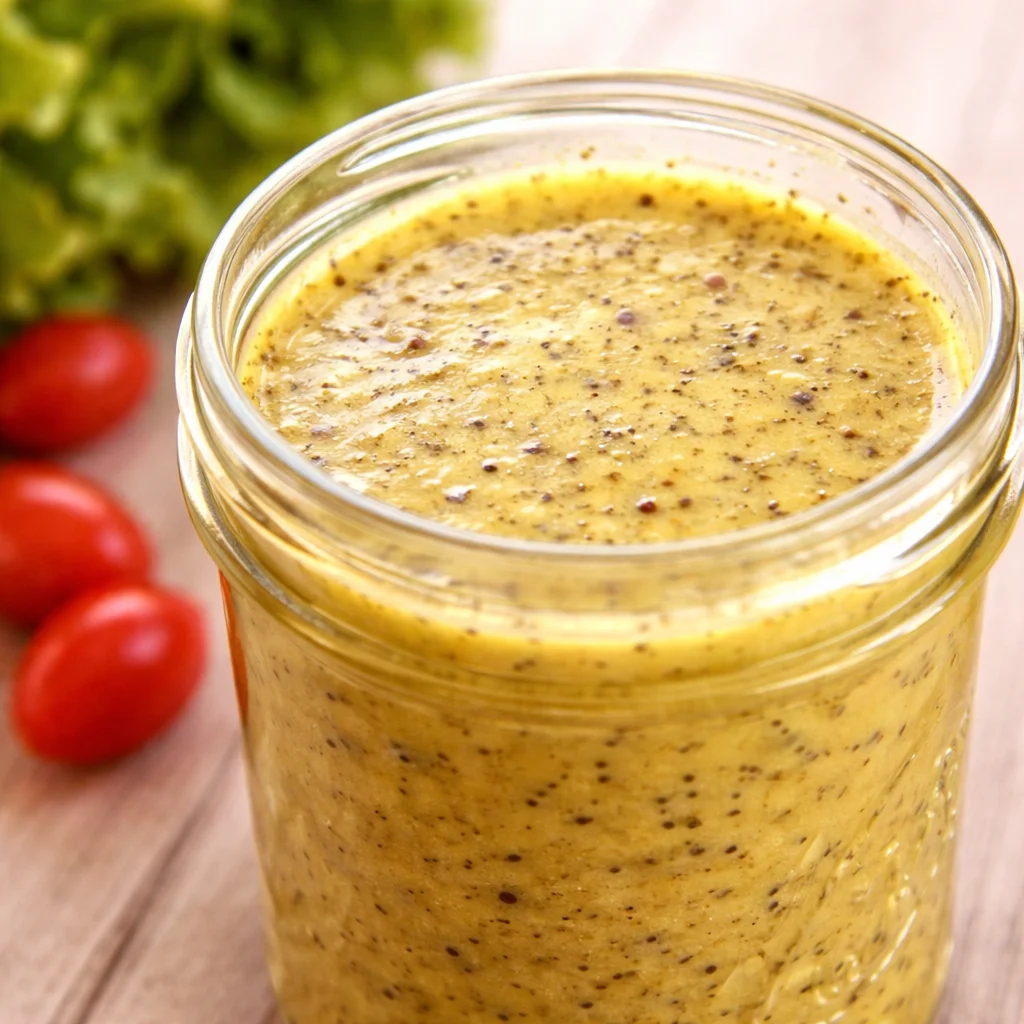
Italian Dressing Recipe: Easy & Delicious is the thing I reach for when dinner feels a little too plain and I need help fast. You know those nights when the salad looks sad, the chicken tastes boring, and you are one tiny inconvenience away from ordering takeout? Yep, this is my fix. It takes just a couple minutes, it uses pantry basics, and it tastes like you actually tried. I make a jar at the start of the week and suddenly everything feels more put together.
Essential Ingredients for the Best Italian Dressing
If you want that bold, zippy, restaurant style flavor at home, it really comes down to a handful of simple ingredients that play nicely together. The good news is you probably have most of them already.
Here is what I use for my go to Italian Dressing Recipe. I am including a few optional add ins too, because sometimes you want it sharper or a little sweeter.
- Olive oil (extra virgin tastes best)
- Vinegar (red wine vinegar is classic, but white wine vinegar works too)
- Dijon mustard (helps it blend and adds a gentle bite)
- Garlic (fresh minced or garlic powder)
- Italian seasoning (or a mix of oregano, basil, thyme)
- Salt and black pepper
- Optional: a pinch of sugar or honey, crushed red pepper, grated parmesan
One more thing. If you are making salads often, you might also like this fresh side that is basically made for tangy dressings: easy cucumber dill salad recipe. It is crisp, simple, and a total lifesaver when it is hot out.
Olive Oil, Vinegar & Mustard Base
This is the foundation. Once you get the base right, you can tweak everything else to fit your mood.
My easy ratio that never fails
I do about 3 parts olive oil to 1 part vinegar. If you love a sharper dressing, go closer to 2 to 1. Then I add Dijon mustard, usually about 1 teaspoon for a small jar. The mustard helps the oil and vinegar stop fighting each other, so you get a smoother dressing that clings to your greens instead of sliding off.
Also, do not skip the salt. Salt wakes up the vinegar and makes the herbs taste more like themselves. I learned that the hard way when I made a bland batch and kept adding more herbs like that would fix it. It did not.
If you are planning an Italian themed dinner night, this is such a good pairing with Italian drunken noodles because the dressing can double as a drizzle on the side salad, and it cuts through rich pasta so nicely.
Fresh Herbs, Spices & Flavor Enhancers
This is where your Italian Dressing Recipe turns from basic to wow. Dried herbs are totally fine, and honestly they are what I use most of the time. But if you have fresh herbs, even better.
My usual blend is oregano, basil, and parsley, plus a pinch of onion powder. If I want it to taste a little more like a deli dressing, I add a tiny sprinkle of celery seed. And if you like heat, crushed red pepper is your friend.
Flavor boosters I use depending on the day:
Parmesan for a salty, savory edge. Lemon juice for extra brightness. Honey if your vinegar is extra sharp and you want balance.
Quick note about garlic. Fresh garlic is amazing, but it gets stronger as the dressing sits. If you are meal prepping for the week, garlic powder stays more mellow and consistent.
Step-by-Step Instructions for Classic Italian Dressing
This is the part where you realize how easy homemade dressing really is. No blender required, no fancy tools. Just a jar with a lid and the willingness to shake it like you mean it.
Classic jar method
Here is exactly what I do:
- Add vinegar, mustard, salt, pepper, and seasonings to a jar
- Stir or swirl to dissolve the salt a bit
- Add olive oil
- Put the lid on tight and shake for 15 to 20 seconds
- Taste and adjust. More salt, more vinegar, more herbs. You are the boss
That is it. You just made a real Italian Dressing Recipe that tastes way fresher than the shelf stable bottle.
Quick Italian Dressing for Busy Weekdays
Some days I do not measure. I just want something fast so I can eat. If that is you, here is the quick version.
The no measuring shortcut
In a small jar, add a good splash of vinegar, a squeeze of mustard, two big pinches of Italian seasoning, salt and pepper, then pour in olive oil until it looks right. Shake, taste, and call it dinner.
This is especially handy when you are also juggling other easy sides. Like if you are making something fun in the air fryer, these crispy frozen sweet potato fries in air fryer are a great match with a big salad dressed in something tangy.
Creamy vs Classic Italian Dressing: How to Choose
Classic Italian is lighter, brighter, and more vinegar forward. Creamy Italian is richer and a little softer around the edges.
I pick classic when I am doing salads, marinades, or anything where I want a clean, sharp flavor. I go creamy when I am making a pasta salad, dipping veggies, or trying to get picky eaters on board.
How to make it creamy at home: whisk in a spoonful of mayo or plain Greek yogurt. Start small, like 1 tablespoon, then add more if you want it thicker. It still tastes like Italian dressing, just with that cozy creamy vibe.
Variations: Low Carb, Keto, Vegan & Gluten-Free Options
This Italian Dressing Recipe is already naturally low carb if you skip sugar. It is also gluten free as long as your mustard and seasonings are labeled gluten free, which most are, but it is always worth checking.
Here are easy swaps that keep it friendly for different diets:
Keto and low carb: skip honey and sugar, add more herbs and a little lemon juice for balance.
Vegan: keep it classic without parmesan, or use a dairy free parmesan style topping.
Gluten free: double check labels on mustard and spice blends, and avoid any seasoning mixes that include filler.
If you like lighter meals with Italian flavors, you might also want to check out keto italian lettuce wrap. It is the kind of lunch that feels fresh but still filling.
Using Italian Dressing as a Marinade for Meat, Chicken & Vegetables
This is one of my favorite tricks because it makes meal prep ridiculously simple. Italian dressing works as a marinade because it has oil for moisture, vinegar for tenderness, and herbs for flavor. It is basically doing the work for you.
How I use it:
Chicken: 30 minutes to 4 hours is great. Too long and the texture can get a little weird because of the vinegar.
Steak: 30 minutes to 2 hours, especially for thinner cuts.
Veggies: 15 to 30 minutes before roasting or grilling. Mushrooms, zucchini, and bell peppers love it.
Always marinate in the fridge, and toss any marinade that touched raw meat. If you want extra sauce later, set some dressing aside before you add the raw chicken.
Pairing Italian Dressing with Salads, Pasta, and Sandwiches
Of course it is amazing on a basic green salad, but it goes way beyond that. Once you have a jar in the fridge, you will start finding excuses to use it.
Some real life ways I use this Italian Dressing Recipe:
Pasta salad: toss warm pasta with a little dressing so it soaks in, then add veggies and cheese.
Sandwich drizzle: a tiny spoonful inside a turkey sandwich is so good, especially with tomatoes.
Bean salad: chickpeas plus cucumbers plus dressing equals a lunch you will actually look forward to.
Roasted veggie boost: drizzle right before serving to wake up the flavors.
Tips for Perfect Homemade Vinaigrette Every Time
I have made every mistake, so you do not have to.
Use a jar with a tight lid. Shaking is easier than whisking and it blends better.
Taste after it sits for 5 minutes. Dried herbs need a minute to soften and bloom.
If it tastes flat, add salt not more vinegar. This one surprised me, but it works.
If it tastes too sharp, add oil or a tiny bit of sweetener. Do not panic and dump in a bunch of stuff.
Let it come to room temp for 10 minutes. Olive oil can thicken in the fridge. A short rest fixes it.
Storing Homemade Italian Dressing: Shelf Life & Containers
I store mine in a glass jar in the fridge. Anything with a tight lid works. Mason jars are perfect because they do not hold smells and they are easy to shake.
How long it lasts depends on what you add. If it is just oil, vinegar, dried herbs, and seasonings, it is usually good for about 1 to 2 weeks in the fridge. If you add fresh garlic, fresh herbs, or dairy to make it creamy, I try to use it within 4 to 7 days.
Little safety habit I follow: if it smells off or looks funky, I toss it. Ingredients are cheap. Your stomach is not.
Common Mistakes to Avoid When Making Italian Dressing
This is the quick reality check section. These are the things that can make homemade dressing disappointing.
Using old dried herbs. If your Italian seasoning has been in the cabinet forever, it will taste like dust, not dinner.
Skipping mustard. You can do it, but it will separate faster and taste less balanced.
Overdoing vinegar. It is easier to add more than fix it after the fact. Start smaller if you are unsure.
Not seasoning enough. Salt and pepper are not optional, they are the difference between bland and bright.
Pouring it on a wet salad. Dry your greens. Water on lettuce makes dressing slide right off.
Common Questions
Can I make this Italian Dressing Recipe without Dijon mustard?
Yes. It will separate more, but it still tastes good. If you have any mustard at all, even yellow mustard, a little bit helps.
Why does my dressing taste bitter?
Usually it is the olive oil. Try a different bottle, or use a lighter olive oil. Also make sure your dried herbs are not old.
How do I make it taste more like restaurant dressing?
Add a pinch of sugar or honey, and a little extra salt. A spoonful of grated parmesan also helps.
Can I use this as a marinade and also as dressing later?
Yes, just set some aside before it touches raw meat. Once it is in the raw meat bag, it is done.
My dressing separated. Did I ruin it?
Nope. Shake it again. Homemade vinaigrette separates, that is normal.
My last little pep talk before you make it
If you have been stuck buying bottled dressing out of habit, this is your sign to try the homemade version once. The flavor is brighter, you can adjust it exactly how you like, and it takes less time than a trip to the store. I also like comparing my tweaks with other home cooks, and this Easy Homemade Italian Dressing – The Whole Cook is a great reference if you want another simple take. Make your jar, shake it up, and put it on something today, even if it is just a quick salad next to dinner. Once you taste it, this Italian Dressing Recipe tends to become a fridge staple.
Print
Italian Dressing
- Total Time: 5 minutes
- Yield: 8 servings
Description
An easy and delicious homemade Italian dressing that elevates simple salads and meats with bold, zesty flavors.
Ingredients
Base Ingredients
- ¾ cup olive oil (extra virgin tastes best)
- ¼ cup vinegar (red wine vinegar is classic, white wine vinegar works too)
- 1 teaspoon Dijon mustard (helps blend the dressing)
Seasonings
- 2 cloves garlic (fresh minced or garlic powder)
- 1 teaspoon Italian seasoning
- to taste salt (wakes up the vinegar flavor)
- to taste black pepper
Optional Add-ins
- 1 pinch sugar or honey (to counterbalance sharpness)
- 1 teaspoon crushed red pepper (for heat)
- 2 tablespoons grated parmesan (for a savory edge)
Instructions
Preparation
- Add vinegar, mustard, salt, pepper, and seasonings to a jar.
- Stir or swirl to dissolve the salt a bit.
- Add olive oil.
- Put the lid on tightly and shake for 15 to 20 seconds.
- Taste and adjust seasoning if necessary. More salt, more vinegar, more herbs can be added to taste.
Notes
Store in a glass jar in the fridge. This dressing lasts about 1-2 weeks if made without fresh ingredients, 4-7 days if fresh garlic or herbs are added.
- Prep Time: 5 minutes
- Category: Dressing, Side
- Cuisine: Italian








 Appetizers & Sides
 Main Dishes
 Drinks & Wellness
 Desserts & Baking