
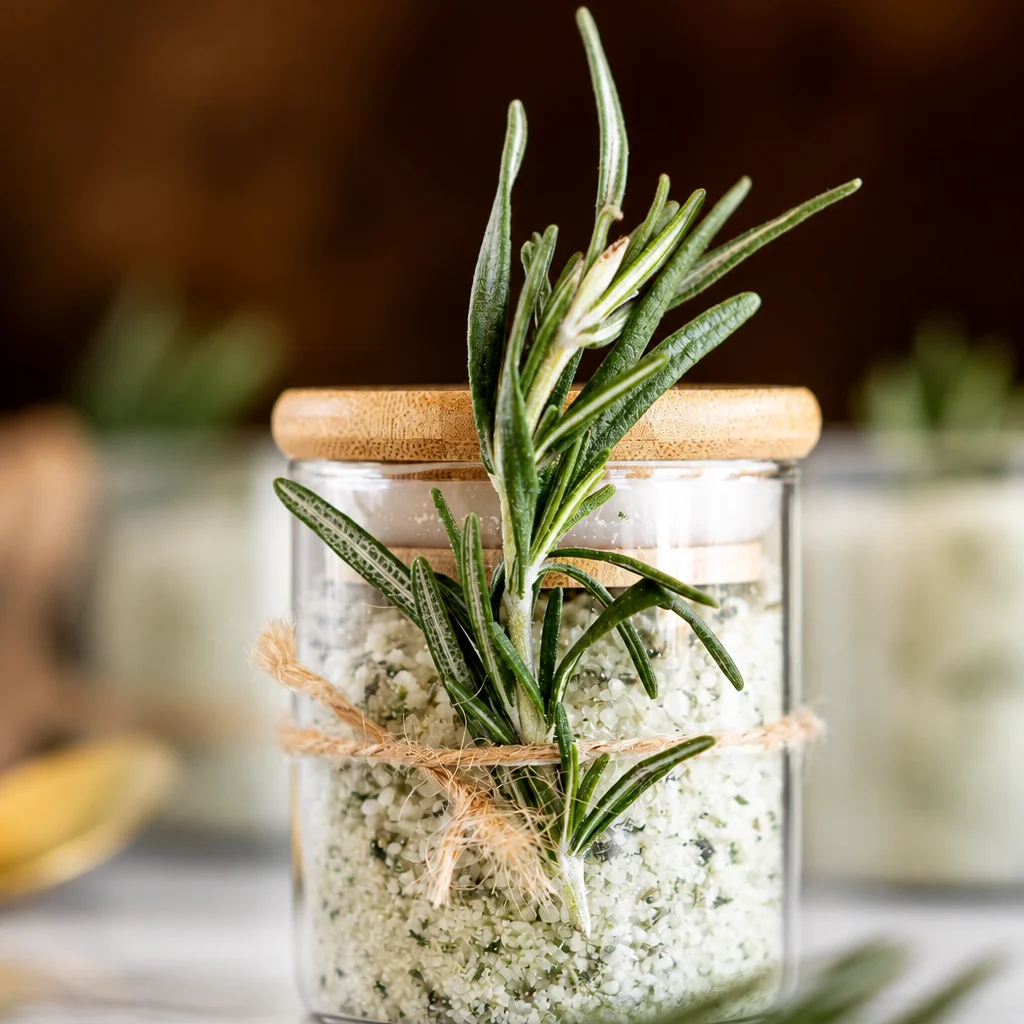
Rosemary Salt is one of those little kitchen tricks that saves dinner when you are staring at a plain chicken breast or a sad tray of potatoes and thinking, now what. I started making it at home after buying a tiny jar at the store for way too much money, and honestly, it tasted kind of flat. The homemade version smells like a real herb garden and makes everything feel more special with basically zero effort. If you have salt and rosemary, you are already halfway there. Let me show you how I make it and all the ways I use it during the week.
Why Homemade Rosemary Salt Is Better Than Store-Bought
I am not here to shame store-bought spices because I still grab plenty of them. But rosemary salt is one of those blends that truly shines when it is fresh. When you make it yourself, you control the texture, the saltiness, and how strong the rosemary flavor is.
Homemade also smells amazing. Like, open-the-jar-and-smile amazing. And you can keep it simple or riff on it with lemon zest, garlic, or other herbs depending on what you are cooking that week.
Plus, it is cheaper. A small bottle of fancy herb salt can cost more than a whole bunch of rosemary. If you are into fun salts, you might also like checking out this blue salt trick recipe because it is another easy way to make your pantry feel exciting without much work.
Ingredients You’ll Need for the Best Rosemary Salt Recipe
This is the part where I get to say it is a 2-ingredient recipe and actually mean it. Here is what you need, and I will include a couple optional things after.
- Salt (any kind you like, but I will help you choose in the next section)
- Rosemary (fresh or dried)
Optional, but sometimes nice:
- A pinch of black pepper
- Lemon zest if you want it bright
- Garlic powder if you want it savory and cozy
That is it. No weird additives, no anti-caking agents, no mystery flavors. Just a clean, punchy blend you will actually use.
Choosing the Best Salt for Homemade Rosemary Salt
Salt matters more than people think. Not in a stressful way, just in a you will taste the difference way. The main thing is choosing a salt that matches how you plan to use it.
Here are my go-to choices:
Kosher salt is my everyday pick. It is easy to pinch, easy to sprinkle, and it crushes nicely if you want a finer blend.
Sea salt is great if you like a slightly crunchier finish. Flaky sea salt with rosemary is honestly dreamy on roasted vegetables.
Fine table salt works, but it can make the blend taste saltier faster because the grains are small. If you use it, go a little lighter when seasoning food.
If you are curious about different salt styles, I went down a rabbit hole recently and enjoyed reading about this celtic salt trick. It is a fun one if you like learning about pantry staples.
Fresh vs. Dried Rosemary: Which Is Best?
I use both, depending on what I have. Fresh rosemary gives the brightest flavor and that green, piney smell that feels like a holiday roast. Dried rosemary is convenient and still makes a really solid Rosemary Salt, especially if you blend it well.
Here is the quick breakdown:
Fresh rosemary: Best aroma and flavor. Needs a little extra drying time so the salt does not clump.
Dried rosemary: Fast and easy. Shelf-stable right away. Sometimes tastes a bit more intense and earthy.
If you have a big rosemary plant or you bought a bunch and do not want it to go limp in the fridge, making Rosemary Salt is honestly one of the best ways to use it up.
How to Make Rosemary Salt Step by Step
This is the method I use all the time, and it is basically foolproof. You can do it with a mortar and pestle, a small food processor, or even just a cutting board and some patience.
My simple method (with measurements you can actually remember)
I like a 1 to 4 ratio. That means 1 part rosemary to 4 parts salt. It is strong but not overpowering.
- 1 tablespoon finely chopped fresh rosemary (or 1 teaspoon dried rosemary)
- 4 tablespoons salt
Step by step directions
- Pull rosemary leaves off the woody stems. If using dried, you can skip this.
- Chop fresh rosemary as finely as you can.
- Combine rosemary and salt in a bowl.
- Crush or blend until the rosemary is evenly mixed and the salt looks a little green-speckled.
- If using fresh rosemary, spread the mix on a plate and let it air dry for a few hours, then jar it.
That is it. You just made Rosemary Salt. I still get a tiny thrill every time I do it, like I just leveled up my weeknight cooking.
Expert Tips for Perfect Rosemary-Infused Salt Every Time
I have made this enough times to learn a few small things that make a big difference.
Let fresh rosemary dry a bit before jarring. If you seal it too soon, moisture can cause clumps. I usually leave it out for a few hours, then store it.
Do not over-blend if you want texture. A few quick pulses keeps some salt crunch. If you blend a lot, it turns more uniform and fine, which is great for rubbing on meat.
Taste and adjust. Want it more herby? Add more rosemary. Want it more subtle? Add more salt. This is your blend, so make it how you like it.
Label the jar. I know, boring, but you will thank yourself later when you have three green speckled salts and no memory.
Delicious Rosemary Salt Variations (Lemon, Garlic, Thyme & More)
Once you have the basic version, it is hard not to keep experimenting. I do this depending on what I am cooking, or what is sitting in my fridge looking lonely.
Easy flavor combos to try
Lemon rosemary salt: Add 1 teaspoon lemon zest per 1 quarter cup salt. Let it dry well before storing.
Garlic rosemary salt: Add 1 quarter teaspoon garlic powder per 1 quarter cup salt. So good on potatoes.
Thyme and rosemary: Split the herbs half and half for a more rounded flavor.
Spicy rosemary salt: Add a pinch of chili flakes. Awesome on roasted chickpeas.
If you like unusual salt ideas, this japanese pink salt recipe is a fun read too. It is different from this herb blend, but it scratches the same itch of making something simple feel special.
Best Ways to Use Rosemary Salt in Everyday Cooking
This is the section where I might accidentally convince you to put it on everything. Because I kind of do.
Here are my favorite uses:
Roasted potatoes: Toss chopped potatoes with oil, then season with Rosemary Salt before baking.
Chicken: Sprinkle it on chicken thighs with a little olive oil. It tastes like you tried harder than you did.
Eggs: A tiny pinch on scrambled eggs is surprisingly good.
Popcorn: Melted butter, then a light dusting. This one feels like a snack upgrade.
Bread and butter: Buttered toast with a sprinkle is simple and so satisfying.
And if you are into sweet and salty experiments, do not laugh until you try it, but this cantaloupe sea salt ice cream recipe is a fun reminder that salt is not just for savory food.
How to Store Homemade Rosemary Salt for Maximum Freshness
Storage is easy, but it matters. A good jar keeps the rosemary flavor strong and keeps your salt from turning into a brick.
My storage rules:
Use a dry, clean jar. Any moisture is the enemy here.
Let fresh rosemary versions dry before sealing. A few hours is usually enough, sometimes overnight if your kitchen is humid.
Keep it away from the stove. Heat and steam will mess with it over time.
How long does it last? If you used dried rosemary, it stays great for months. If you used fresh and dried it properly, it should still be good for at least a month or two, often longer. If it smells off or looks damp, toss it and make a new batch. It is quick to remake anyway.
Common Mistakes to Avoid When Making Herb Salt
I have made every mistake at least once, so here is how you can skip the annoying part.
Mistake 1: Not drying fresh rosemary enough. This leads to clumping and sometimes a funky smell. Let it air dry before storing.
Mistake 2: Using huge rosemary pieces. Big needles of rosemary can be unpleasant to bite into. Chop it fine or pulse it.
Mistake 3: Going too heavy on salt in recipes. Remember, Rosemary Salt is still salt. Start with less, then add more.
Mistake 4: Storing it in a damp area. Keep it in a cool, dry cabinet, not next to the kettle or stove.
More Homemade Seasoning Blends and Herb Salt Recipes to Try
If you liked making this, you are going to love building a little collection of homemade blends. It is one of those small habits that makes cooking at home feel easier, not harder.
Here are a few ideas to try next:
Lemon pepper salt: Salt plus lemon zest plus black pepper.
Chili lime salt: Salt plus lime zest plus chili powder.
Herby all-purpose blend: Salt with parsley, thyme, and a little garlic powder.
Orange rosemary salt: Like the lemon version, but softer and slightly sweet smelling.
Common Questions
Can I make Rosemary Salt without a food processor?
Yes. Chop the rosemary really fine, then crush it into the salt with the back of a spoon or use a mortar and pestle if you have one.
How strong should Rosemary Salt be?
That is up to you. I like 1 part rosemary to 4 parts salt, but you can go lighter if you want it more subtle.
Does fresh rosemary in salt go bad?
It can if you trap moisture in the jar. Dry the mixture first and store it in a dry container. If it ever smells off, toss it.
Can I use Rosemary Salt as a rub for meat?
Absolutely. It is especially good on chicken, pork chops, and roast veggies. Just remember it seasons fast, so start with a little.
Is this the same as herbes de Provence?
Not quite. Herbes de Provence is a mix of several herbs. This is mainly rosemary plus salt, so it is simpler and more focused.
A tiny jar that makes everything taste better
Once you make Rosemary Salt at home, it is hard to go back because the flavor is so fresh and bold. Keep it simple with just salt and rosemary, or try a lemon or garlic twist when you feel like mixing it up. If you want more ideas and a slightly different take, I enjoyed comparing notes with Rosemary Salt – Aubrey’s Kitchen and Rosemary Salt – RecipeTin Eats. Grab a jar, make a batch, and sprinkle it on something warm and crispy tonight. You will feel like you cooked with a secret ingredient, even though it is just two basics from your kitchen.
Print
Rosemary Salt
- Total Time: 10 minutes
- Yield: 10 servings 1x
Description
A fresh and flavorful seasoning blend made from rosemary and salt, perfect for enhancing various dishes with minimal effort.
Ingredients
Main Ingredients
- 4 tablespoons Salt (any kind) (Kosher salt, sea salt, or fine table salt can be used.)
- 1 tablespoon Finely chopped fresh rosemary (Alternatively, use 1 teaspoon dried rosemary.)
Optional Ingredients
- 1 pinch Black pepper (For added spice.)
- 1 teaspoon Lemon zest (For a bright flavor.)
- 1/4 teaspoon Garlic powder (For a savory touch.)
Instructions
Preparation
- Pull the rosemary leaves off the woody stems. If using dried rosemary, skip this step.
- Chop the fresh rosemary as finely as possible.
- Combine the chopped rosemary and salt in a bowl.
- Crush or blend the mixture until the rosemary is evenly mixed and the salt looks slightly green-speckled.
- If using fresh rosemary, spread the mixture on a plate and let it air dry for a few hours before transferring it to a jar.
Notes
Allow fresh rosemary to dry a bit before storing to avoid clumping. Taste and adjust the rosemary and salt ratio to your preference. Label the jar for future reference.
- Prep Time: 10 minutes
- Category: Condiments, Seasoning
- Cuisine: American, Mediterranean












 Appetizers & Sides
 Main Dishes
 Drinks & Wellness
 Desserts & Baking