
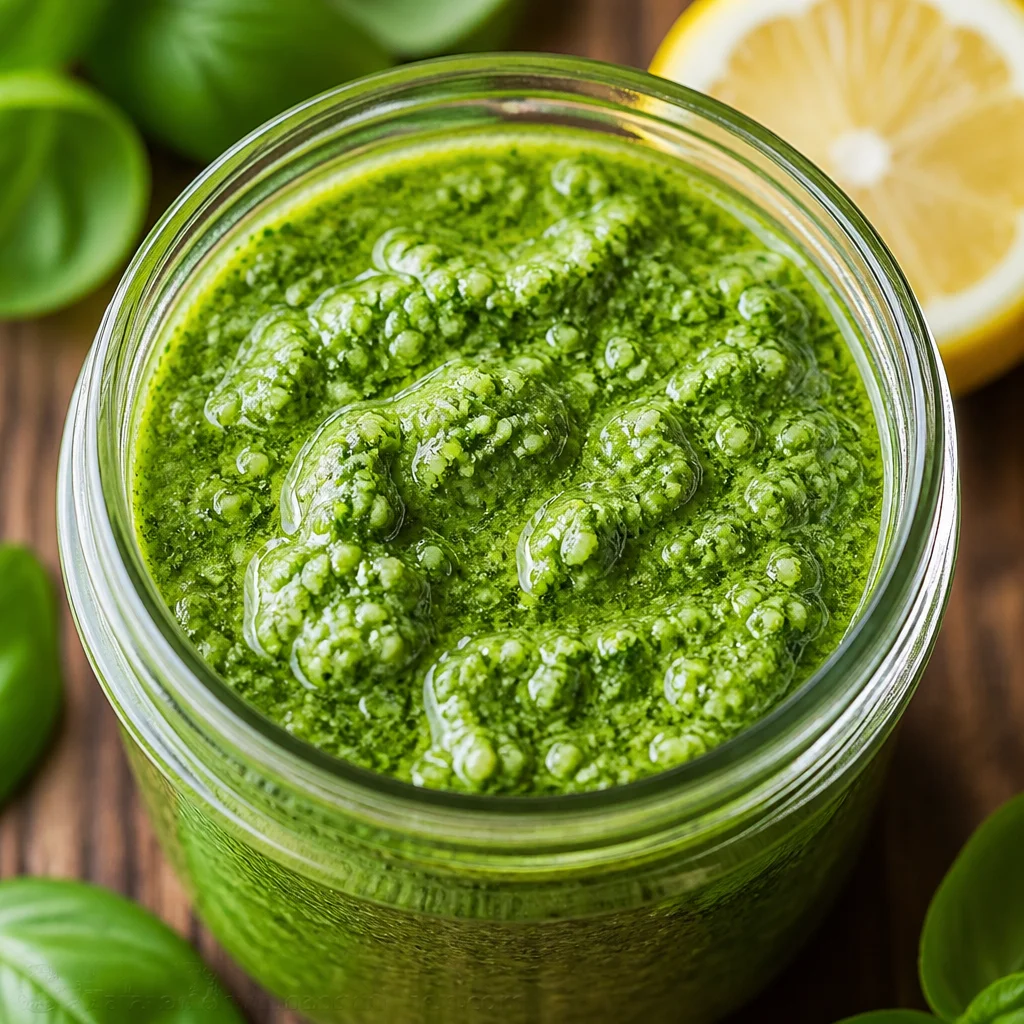
Basil Pesto is one of those things I used to buy without thinking, until I realized I was paying a lot for a tiny tub that tasted kind of flat. The first time I made it at home, I honestly surprised myself. It took just a few minutes, my kitchen smelled like a fresh herb garden, and the flavor was bold in a way the store stuff never is. If you have a handful of basil and a blender or food processor, you are already halfway there. Let me walk you through my favorite method, plus the little tips that keep it bright, garlicky, and totally addictive.
Why You’ll Love This Homemade Basil Pesto Recipe
I keep coming back to this Homemade Basil Pesto Recipe because it solves so many weeknight problems. When dinner feels boring, pesto makes it feel like you tried way harder than you did. It is also one of those recipes where you can taste every ingredient, so using fresh basil actually matters.
Here is what makes it a staple in my fridge:
Fresh flavor that tastes like summer, even when it is not. Fast to make, usually in under 10 minutes. Flexible because you can swap nuts, cheeses, and even some of the greens. And it is great for meal prep because a little goes a long way.
If you love pesto with pasta, you should also try it in a cold pasta situation. I make something similar to this chicken pesto pasta salad when I want lunch for a couple days and do not want to think about it again.
Ingredients You’ll Need for the Best Basil Pesto
You do not need a long grocery list. You just need decent ingredients and a quick taste as you go. This is the one place where I will say it: fresh basil is non negotiable if you want that big, clean pesto flavor.
- Fresh basil leaves (packed) plus a few extra for garnish if you feel fancy
- Garlic (start small, add more if you love it)
- Pine nuts (or walnuts, pistachios, or almonds)
- Parmesan cheese (freshly grated tastes best)
- Olive oil (use one you like the taste of)
- Salt and black pepper
- Optional: a squeeze of lemon for brightness
Quick note on cheese: Parmesan is the classic, but you can mix in a little Pecorino if you like it saltier. For nuts: pine nuts are traditional, but they are pricey, so I swap in walnuts all the time and nobody complains.
How to Make Basil Pesto Step by Step
This part is refreshingly simple. You are basically just blending, tasting, and adjusting. I use a food processor, but a blender works too. If your blender struggles, just stop and scrape down the sides more often.
Step 1: Prep the basil. Rinse it, then dry it really well. Wet basil can make pesto watery, and nobody wants that.
Step 2: Toast the nuts (optional but worth it). Toss them in a dry pan for a few minutes until they smell nutty. Let them cool so they do not melt the cheese.
Step 3: Blend the base. Add basil, garlic, nuts, and cheese to your processor. Pulse a few times until it looks chopped and fluffy.
Step 4: Stream in olive oil. With the machine running, pour the oil in slowly. Stop when it looks creamy but still has a little texture.
Step 5: Season. Add salt and pepper. Taste it. If it needs a lift, add a tiny squeeze of lemon. If it is too thick, add a splash more oil.
That is it. This Homemade Basil Pesto Recipe is basically a choose your own adventure, but in a good way. Once you make it a couple times, you will know exactly how garlicky and how cheesy you like it.
And if you are already thinking about dinner, pesto is the secret weapon for quick pasta nights. I like it in a chilled pasta too, like this chicken pesto pasta salad when it is hot out and I do not want a steaming bowl of anything.
Pro Tips for Bright Green, Flavorful Homemade Pesto
Sometimes pesto turns dark or tastes a little bitter, and that is usually because of a few small things. Here are the tricks I actually use at home.
Keep it bright green
Dry the basil well, and do not let the machine run forever. Over blending warms the pesto, and warmth dulls the color. If your kitchen is hot, you can even chill the bowl and blade for a few minutes beforehand.
Balance the flavors
If it tastes sharp, add a little more cheese or a few more nuts. If it tastes heavy, add lemon. If it tastes bland, it probably needs more salt, not more garlic.
Also, use olive oil you enjoy. In a recipe this simple, the oil is not hiding behind anything.
Easy Basil Pesto Variations
Once you have the basic version down, you can play around without fear. I do this most when I am short on basil, or when I want pesto for a specific meal.
Simple swaps that still taste amazing
Nut free: use sunflower seeds. Different greens: swap in a handful of spinach to stretch the basil. Dairy free: use nutritional yeast instead of Parmesan and add a little extra salt. Spicy: add a pinch of red pepper flakes. Lemony: add more lemon juice plus a little zest.
No matter which direction you go, the goal is the same: a spoonable sauce that tastes fresh and bold. That is what a good Homemade Basil Pesto Recipe should deliver every time.
What to Serve with Basil Pesto
This is where pesto really shines. You can go classic, or you can treat it like a flavor booster you add to whatever is in the fridge.
- Pasta, hot or cold
- Sandwiches and wraps, especially with chicken or turkey
- Roasted veggies like zucchini, potatoes, or carrots
- Eggs, a little swirl into scrambled eggs is so good
- Pizza as a sauce base or drizzled after baking
- Grain bowls with rice, quinoa, or farro
One of my favorite easy meals is turning pesto into a pasta salad that actually tastes like something. If you need a blueprint, this chicken pesto pasta salad is a solid place to start, and it is super lunch friendly.
Make-Ahead, Storage, and Freezing Tips
Pesto is perfect for making ahead, and it is one of the few sauces that makes leftovers feel exciting.
Fridge: Store it in a small jar or container with a tight lid. Smooth the top and pour a thin layer of olive oil over it to help keep it from browning. It usually stays good for about 5 to 7 days.
Freezer: Freeze in ice cube trays, then pop the cubes into a freezer bag. This is my favorite method because you can thaw exactly what you need. Frozen pesto is best within 3 months for top flavor.
Thawing: Let it thaw in the fridge overnight, or stir a cube into hot pasta with a splash of pasta water. It melts into a sauce almost instantly.
If you are meal prepping, pesto is a great component to keep around for quick lunches. I will often make a batch, freeze half, and use the rest in something like a chicken pesto pasta salad so nothing goes to waste.
Common Basil Pesto Mistakes to Avoid
I have made all of these mistakes at least once, so I am sharing to save you the annoyance.
Not drying the basil: Extra water makes pesto thin and less flavorful.
Over blending: It can turn warm, darker, and sometimes slightly bitter.
Using old nuts: Nuts can taste stale fast. If they smell off, skip them.
Going too hard on garlic right away: Start with less, then add more. Raw garlic gets stronger as it sits.
Forgetting to taste for salt: Parmesan adds salt, but not always enough. Taste and adjust at the end.
More Homemade Sauce and Fresh Basil Recipes to Try
If you are in a sauce making mood, pesto is a fun gateway recipe because it is so quick. After that, you might get the itch to make a simple marinara, a quick garlic butter sauce, or even a creamy yogurt herb sauce for grilled chicken. When basil is overflowing, I also love blending it into salad dressing, tossing leaves into sandwiches, or making a basil oil to drizzle over tomatoes.
And if you want a full meal idea built around pesto, you already know I am going to say it again: this chicken pesto pasta salad is one of the easiest ways to use it up fast.
Common Questions
Can I make basil pesto without pine nuts?
Yes. Walnuts are my most common swap, but almonds, pistachios, or sunflower seeds all work.
Why did my pesto turn dark?
Usually it is from air exposure or blending too long and warming it up. Store it with a thin layer of olive oil on top to slow browning.
Can I use pre grated Parmesan?
You can, but it will not taste as rich. Freshly grated melts in better and gives you a smoother pesto.
How do I fix pesto that is too thick?
Add a little more olive oil, or if you are tossing it with pasta, loosen it with a splash of warm pasta water.
Is pesto safe to freeze with cheese in it?
Yes, it freezes well. The texture can change slightly, but once it is mixed into pasta or spread on a sandwich, it tastes great.
A Little Nudge to Go Make It
If you have fresh basil hanging around, this Homemade Basil Pesto Recipe is the easiest way to turn it into something you will actually use all week. Keep it simple, taste as you go, and do not stress about making it perfect. If you want to compare styles, I like looking at Basil Pesto Recipe – Love and Lemons for fresh, bright ideas, and Pesto Recipe – The Mediterranean Dish for a classic, reliable approach. Make a batch, toss it with pasta, spread it on a sandwich, or freeze a few cubes for later. You will feel very proud of yourself when future you has pesto ready to go.
Print
Basil Pesto
- Total Time: 10 minutes
- Yield: 4 servings 1x
Description
A fresh and vibrant homemade basil pesto that is simple to make and elevates any dish with its bold flavors.
Ingredients
Main Ingredients
- 2 cups Fresh basil leaves (packed) (plus a few extra for garnish)
- 2 cloves Garlic (start small, add more to taste)
- 1/4 cup Pine nuts (or walnuts, pistachios, or almonds) (toasted if desired)
- 1/2 cup Parmesan cheese (freshly grated for best flavor)
- 1/2 cup Olive oil (use a high-quality one you enjoy)
- 1/2 teaspoon Salt
- 1/4 teaspoon Black pepper
- 1 teaspoon Lemon juice (optional, for added brightness)
Instructions
Preparation
- Rinse the basil leaves thoroughly and dry them completely to avoid watery pesto.
- Optional: Toast the nuts in a dry pan for a few minutes until fragrant, then let them cool.
Blending
- In a food processor or blender, combine the basil, garlic, nuts, and Parmesan cheese. Pulse until chopped and fluffy.
- With the machine running, slowly stream in the olive oil until the mixture is creamy with a bit of texture.
Finishing Touches
- Season the pesto with salt and pepper. Adjust flavors by adding more lemon juice, salt, or olive oil as needed.
Notes
Store pesto in an airtight container in the fridge with a layer of olive oil on top to prevent browning. It can last 5 to 7 days. For longer storage, freeze in ice cube trays.
- Prep Time: 10 minutes
- Category: Condiment, Sauce
- Cuisine: Italian
Nutrition
- Calories: 250
- Sodium: 200
- Fat: 23
- Saturated Fat: 3.5
- Carbohydrates: 6
- Fiber: 1
- Protein: 5

Related posts:
 Maple Balsamic Roasted Brussels Sprouts Recipe
 Delicious Chicken Caesar Pasta Salad You’ll Love to Make
 Mango Cucumber Salad with Blueberry and Avocado
 Spring Salad with Goat Cheese for Easter – Light, Colorful & Delicious
 Make-Ahead Holiday Appetizers Everyone Loves (Easy Finger Foods for Parties)
 Air Fryer Pretzel Bites Recipe (Soft, Chewy & Ready in 10 Minutes)





 Appetizers & Sides
 Main Dishes
 Drinks & Wellness
 Desserts & Baking