
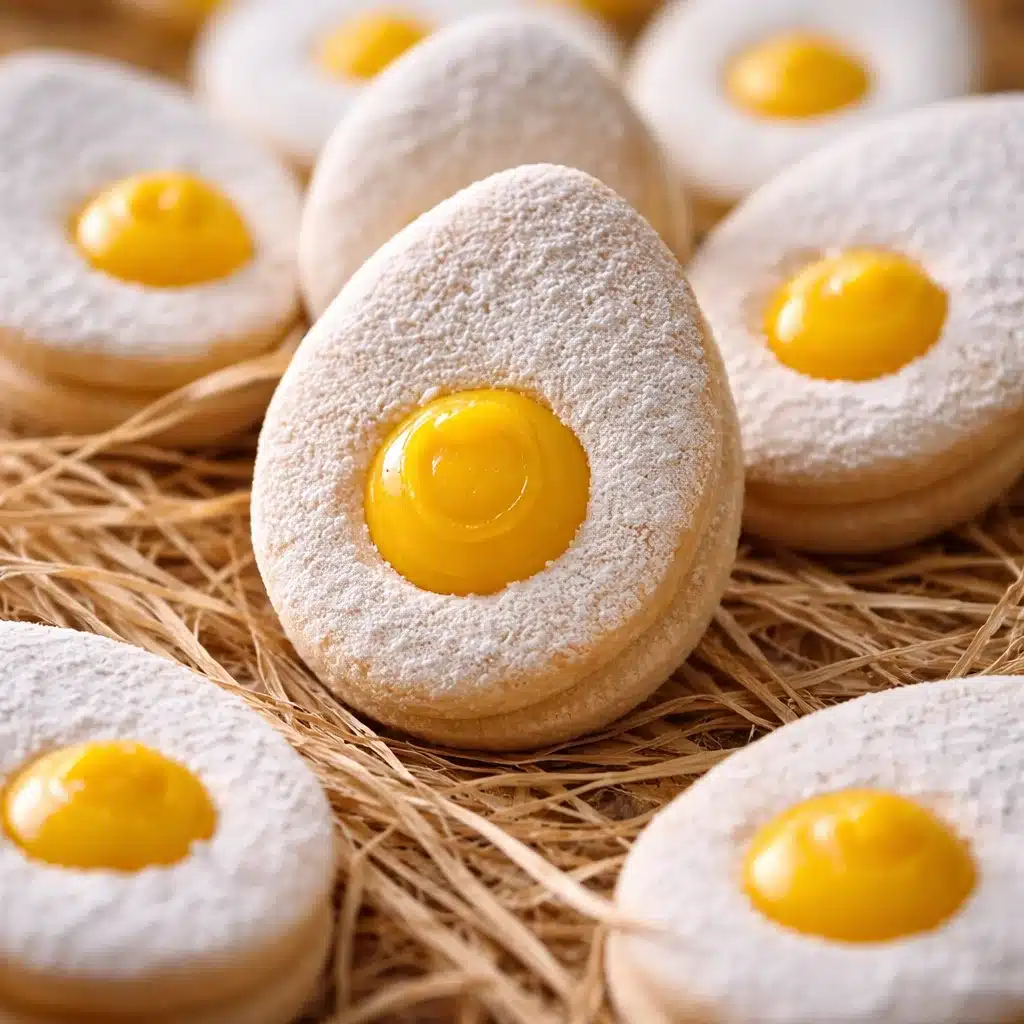
Egg Cookies for Easter always sound like a cute idea until you realize you have zero time, a busy kitchen, and kids or guests who suddenly want something festive right now. I have been there. This is the recipe I make when I want soft centers, chewy edges, and that bright spring look without turning it into a stressful project. You will get a simple dough that behaves, plus easy decorating options even if you are not artsy. And yes, you can totally bake these while chatting in the kitchen and sneaking a warm cookie off the tray.
Essential Ingredients for Soft and Chewy Easter Egg Cookies
The secret to Easy Easter Egg Cookies Recipe: Soft, Chewy & Festive Spring Treats vibes is using basic pantry ingredients, but using them the right way. I like a dough that is rich enough to stay tender, with just enough structure so the egg shapes do not puff into blobs.
Here is what you need, plus why it matters:
- All purpose flour: keeps the texture soft but still easy to roll.
- Cornstarch: a small amount makes the bite extra tender and chewy.
- Baking powder: a little lift, but not too cakey.
- Salt: makes the sweetness taste more like a cookie and less like plain sugar.
- Unsalted butter: flavor and softness. Softened butter is key.
- Granulated sugar: classic sugar cookie feel and crisp edges.
- Brown sugar: the chew factor. This is my personal must.
- Egg: binds and adds richness.
- Vanilla extract: do not skip it. It makes them taste like a bakery cookie.
- Milk or cream: optional, just a teaspoon or two if your dough feels dry.
If you are planning a full Easter dessert spread, I love pairing these with something bite sized like banana pudding Easter truffles because it gives you both a cookie and a creamy treat on the table.
Must-Have Tools and Equipment for Perfect Cookie Baking
You do not need fancy equipment, but a couple of tools make life so much easier. If your cookies usually bake unevenly, it is often the pan and the oven heat, not you.
My short list:
Cookie sheets that are light colored if possible, parchment paper, a mixing bowl, a hand mixer or stand mixer, measuring cups and spoons, a rolling pin, and an egg shaped cookie cutter. If you do not have a cutter, you can cut a paper egg template and trace it with a small knife. It is a little more work, but totally doable.
For decorating, grab a few small bowls, spoons, toothpicks, and a couple of piping bags or even zip top bags with the corner snipped. You do not need to be a pro to make these cute.
Step-by-Step Guide: How to Make Classic Easter Egg Cookies
This is the part where the kitchen starts smelling like butter and vanilla, which is honestly half the reason I bake. I am writing this like I would tell a friend on the phone, because it is that kind of recipe.
Ingredients (quick amounts): 2 and 1 quarter cups flour, 2 teaspoons cornstarch, 1 teaspoon baking powder, half teaspoon salt, 3 quarters cup softened unsalted butter, half cup granulated sugar, half cup brown sugar, 1 large egg, 2 teaspoons vanilla.
Directions:
1) In a bowl, whisk flour, cornstarch, baking powder, and salt.
2) In a separate bowl, beat the softened butter with both sugars until it looks creamy and a little fluffy, about 1 to 2 minutes.
3) Beat in the egg and vanilla.
4) Add the dry ingredients and mix just until the flour disappears. If it looks crumbly, add 1 teaspoon milk and mix again.
5) Press the dough into a flat disc, wrap it, and chill for 45 minutes. This is what helps the shapes stay egg shaped.
6) Preheat your oven to 350 F. Line baking sheets with parchment.
7) Roll dough to about 1 quarter inch thick. Cut egg shapes and place on the tray with a little space.
8) Bake 8 to 10 minutes until the edges look set but the centers still look soft.
9) Let them cool on the pan for 5 minutes, then move to a rack.
This bake time is how I get that soft and chewy result for my Easy Easter Egg Cookies Recipe: Soft, Chewy & Festive Spring Treats. If you bake until fully golden, they will be crispier. Still good, just different.
Tips for Rolling, Cutting, and Shaping Egg-Shaped Cookies
If you have ever rolled cookie dough and ended up with sticky chaos, I feel you. Here is what works in my kitchen.
Chill the dough. It is not optional if you want clean edges. If it gets warm while you are cutting, pop the cut cookies in the fridge for 10 minutes before baking.
Flour lightly. Too much flour makes cookies dry. I dust the counter and rolling pin, then brush off extra flour from the tops of the cookies before baking.
Keep thickness even. Uneven thickness means some cookies will be crunchy and some will be pale and soft. I aim for about 1 quarter inch.
Reroll scraps once. If you keep rerolling, the dough can get tough. I do one reroll and then make a couple of “tester” cookies with the last bits.
If you want another Easter cookie that is basically guaranteed to be cute, these Easter birds nest cookies are great for a platter next to your egg shapes.
How to Make Royal Icing and Frosting for Easter Cookies
You have two easy options: royal icing that dries smooth, or a simple buttercream that stays soft. I use royal icing when I want the cookies to stack nicely or go into treat bags.
Simple Royal Icing (no stress version)
Mix 2 cups powdered sugar, 1 and 1 half tablespoons meringue powder, and 3 tablespoons water. Add a tiny splash more water if it is too thick. It should drizzle off a spoon and settle back into itself within about 10 seconds. Add gel food coloring a little at a time.
Quick tip: keep a damp paper towel over the bowl so it does not crust over while you work.
Easy Vanilla Buttercream (soft and fluffy)
Beat 1 half cup softened butter with 2 cups powdered sugar, 1 teaspoon vanilla, and 1 to 2 tablespoons milk. Add a pinch of salt. This is perfect if you want a creamy bite and you are serving them the same day.
Decorating Ideas: Colorful and Creative Easter Cookie Designs
This is where the fun really hits. You do not need perfect lines. The messy ones usually get eaten first anyway.
My favorite ideas:
Marbled eggs: flood the cookie with a base color, then dot on a second color and swirl with a toothpick.
Speckled eggs: thin a little brown gel color with a drop of vanilla, then flick it on with a clean brush for that robin egg look.
Polka dots: add dots while the icing is wet so they melt in slightly.
Simple stripes: pipe stripes across the egg and top with sanding sugar.
And if you are also doing snack mix for the kids to grab, this bunny bait Easter snack mix is basically spring in a bowl.
Variations: Chocolate, Sugar, and Gluten-Free Easter Cookies
I love a classic vanilla cookie, but variety makes the tray look extra festive.
Chocolate version: replace 1 third cup of flour with 1 third cup unsweetened cocoa powder. If the dough feels dry, add 1 teaspoon milk.
Extra sugar cookie style: use all granulated sugar instead of brown sugar for a cleaner, crisper edge. You will lose a little chew, but it is still delicious.
Gluten free option: swap in a good 1 to 1 gluten free baking flour blend. Chill the dough a bit longer, and roll gently because gluten free dough can crack. If it cracks, just press it back together with your fingers.
For another classic cookie that is fun for holidays, I also make these Christmas sugar cookies in winter and use the same icing tricks.
Kid-Friendly Easter Cookie Recipes and Baking Activities
If kids are helping, I suggest setting expectations early. Let them decorate, not necessarily do the whole baking process, unless you are feeling brave.
My low stress setup:
Put icing colors in small bowls, add sprinkles to muffin tin cups, and give each kid 2 to 3 cookies at a time. If they get all the cookies at once, every sprinkle in the house somehow ends up on one cookie.
Simple activities that always work:
Color matching: “Make one pink egg, one blue egg, one green egg.”
Name cookies: write initials with thicker icing.
Mini cookie gallery: line them up to “dry” and let everyone vote on funniest one.
Seasonal Twists: Adding Spring Flavors and Festive Sprinkles
If you want these to taste like spring, not just look like it, a tiny flavor twist goes a long way.
Easy add ins:
Lemon zest: add 1 to 2 teaspoons to the dough with the sugars. Bright and fresh.
Almond extract: swap half the vanilla for almond, but keep it light because it is strong.
Freeze dried berries: crush them into a powder and mix into icing for natural color and flavor.
For sprinkles, I like pastel confetti sprinkles or tiny pearl sprinkles. Just remember, some sprinkles bleed color into wet icing, so test a little if you are picky about crisp designs.
Baking Troubleshooting: Common Issues and How to Fix Them
If something goes sideways, it is usually an easy fix.
Cookies spread too much: dough was too warm or butter was too soft. Chill the cut cookies before baking.
Cookies are dry: too much flour from the rolling surface or baked too long. Next time, use less flour and pull them when the center still looks a little underdone.
Shapes puffed up: too much baking powder or overmixing. Measure carefully and mix until just combined.
Icing is lumpy: powdered sugar needs sifting, or you need a bit more mixing time.
Icing runs off the cookie: it is too thin. Add more powdered sugar a tablespoon at a time.
This is exactly why I keep coming back to my Easy Easter Egg Cookies Recipe: Soft, Chewy & Festive Spring Treats method. Once you do it once, it becomes predictable and easy.
Serving Suggestions: Easter Cookie Gift Ideas and Dessert Tables
If you are sharing these, presentation can be super simple but still adorable.
- Treat bags: stack 2 to 3 cookies in a clear bag and tie with pastel ribbon.
- Cookie box: add shredded paper grass and mix colors and designs.
- Dessert table: place cookies on a tiered stand with fresh berries and mini eggs.
- Cookie and coffee corner: add a little sign and a bowl of extra sprinkles for fun.
If you are building a bigger dessert moment, something like a black forest trifle looks so pretty next to pastel cookies on a spring table.
Storage Tips: Keeping Easter Cookies Fresh and Soft
Good news, these store really well, especially if you keep them away from air.
Room temperature: store plain cookies in an airtight container for up to 5 days. Add a slice of bread in the container if your house is dry. The cookies stay soft, and the bread gets stale instead.
Iced cookies: let royal icing dry fully before stacking, usually 6 to 12 hours depending on thickness. Then store in layers with parchment between.
Freezing: freeze uniced cookies in a freezer bag for up to 2 months. Thaw at room temp, then decorate. You can also freeze the dough disc and thaw overnight in the fridge.
Whenever I make a big batch for family, I swear the second day is the best day. The texture gets even softer, which is exactly what I want from Easy Easter Egg Cookies Recipe: Soft, Chewy & Festive Spring Treats.
Common Questions
Do I really have to chill the dough?
Yes, at least 45 minutes. It keeps the egg shapes clean and helps the cookies bake up thicker and chewier.
Can I make the dough ahead of time?
Totally. Make it up to 2 days ahead and keep it in the fridge. Let it sit on the counter for 10 to 15 minutes so it is easier to roll.
Trace an egg shape onto paper, cut it out, and use it as a template. Or make circles and pinch one end slightly to fake an egg shape.
How do I get bright pastel icing colors?
Use gel food coloring, not liquid. Gel gives you color without watering down the icing.
Yes, but use royal icing so it dries firm. Pack them snugly with bubble wrap or parchment so they do not rattle around.
A sweet little spring send off
If you make these, keep it simple and have fun with it. Soft cookies, bright icing, and a tray that looks like spring is a win in my book. And if you love seeing how other families do Easter baking traditions, check out Sicilian Easter Cookies with Eggs – Mangia Bedda and Italian Easter Egg Cookies – Cooking with Nonna for more classic inspiration. Now go make a batch of Easy Easter Egg Cookies Recipe: Soft, Chewy & Festive Spring Treats, hide two for yourself, and let the rest disappear like they always do.
Print
Easter Egg Cookies
- Total Time: 55 minutes
- Yield: 24 cookies 1x
Description
These soft and chewy Easter Egg Cookies are easy to make and perfect for festive decorating without the stress. Enjoy a rich, tender dough that holds its shape for adorable egg designs!
Ingredients
Dry Ingredients
- 2.25 cups all-purpose flour (Keeps the texture soft but easy to roll.)
- 2 teaspoons cornstarch (Makes the cookies extra tender and chewy.)
- 1 teaspoon baking powder (Provides lift without being too cakey.)
- 0.5 teaspoon salt (Balances the sweetness.)
Wet Ingredients
- 0.75 cup unsalted butter, softened (Key ingredient for flavor and softness.)
- 0.5 cup granulated sugar (Provides classic cookie texture.)
- 0.5 cup brown sugar (Adds chewiness.)
- 1 large egg (Binds and adds richness.)
- 2 teaspoons vanilla extract (Essential for flavor.)
- 1–2 teaspoons milk or cream (Optional, to adjust dough consistency.)
Instructions
Preparation
- In a bowl, whisk together the flour, cornstarch, baking powder, and salt.
- In a separate bowl, beat the softened butter with both sugars until creamy and fluffy, about 1 to 2 minutes.
- Beat in the egg and vanilla until combined.
- Add the dry ingredients to the wet mixture and mix just until the flour disappears. If it looks crumbly, add 1 teaspoon of milk and mix again.
- Press the dough into a flat disc, wrap it, and chill for 45 minutes.
Baking
- Preheat your oven to 350°F (175°C) and line baking sheets with parchment paper.
- Roll the chilled dough to about 1/4 inch thick. Use an egg-shaped cookie cutter to cut out shapes and place them on the baking tray with some space in between.
- Bake for 8 to 10 minutes until the edges are set and the centers remain soft.
- Allow to cool on the pan for 5 minutes before transferring to a wire rack.
Notes
For best results, chill the dough before cutting to maintain the shape. These cookies can be decorated with royal icing or buttercream.
- Prep Time: 45 minutes
- Cook Time: 10 minutes
- Category: Dessert, Snack
- Cuisine: American, Baking
Nutrition
- Calories: 120
- Sugar: 8
- Sodium: 60
- Fat: 5
- Saturated Fat: 3
- Carbohydrates: 18
- Protein: 1









 Appetizers & Sides
 Main Dishes
 Drinks & Wellness
 Desserts & Baking