
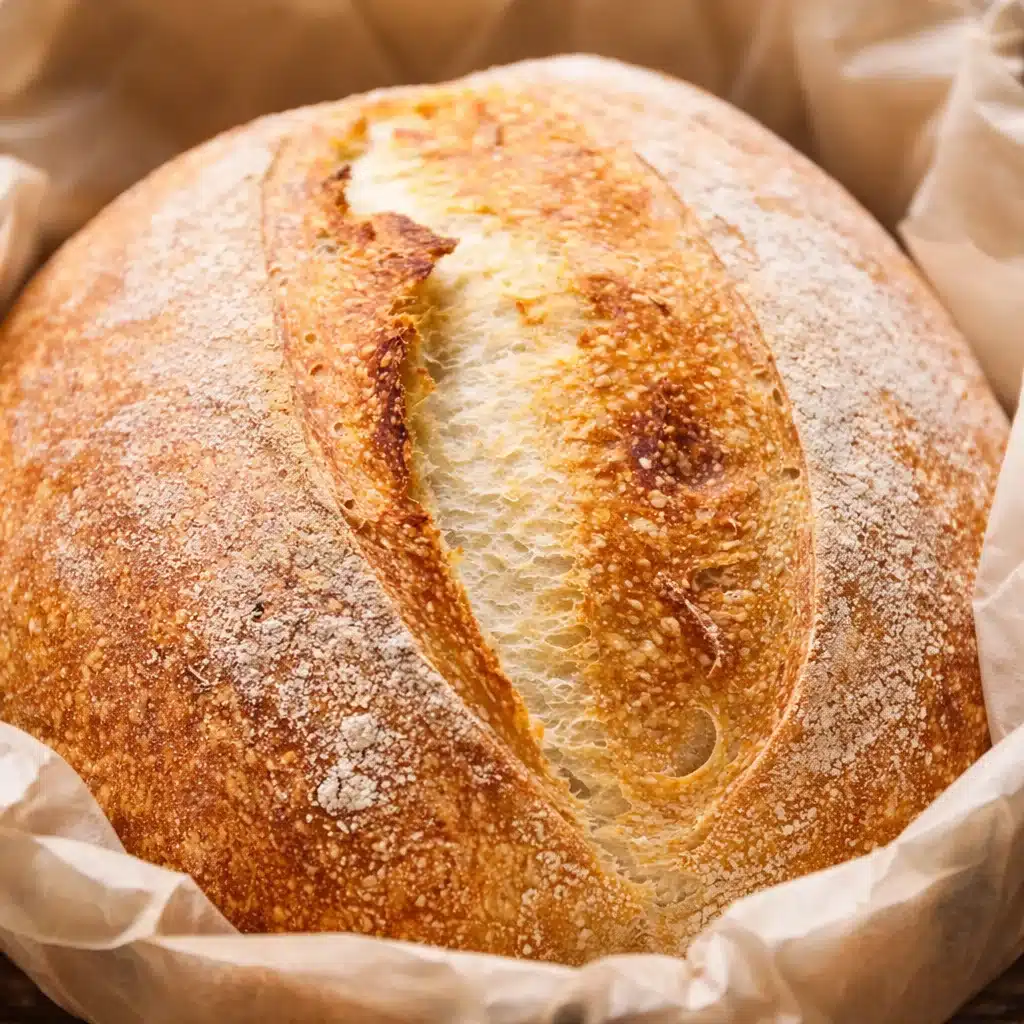
Best Ever Sourdough Bread Recipe is what I reach for when I want real bread at home, the kind that crackles when you slice it and smells like a cozy bakery. If you have ever looked at sourdough instructions and thought, nope, too much, you are not alone. I used to think it was only for super serious bakers with fancy baskets and lots of spare time. Then I started making a no knead version and it finally clicked. This post is for the busy, hungry, normal humans who still want that chewy inside and crispy crust. Let us get flour on the counter and make it happen.
Ingredients for Homemade No Knead Sourdough Bread
This is the simple lineup I use over and over. I am giving weights because it is the easiest way to get consistent results, but I will add rough cup guidance too. Use bread flour if you can, but all purpose works if that is what you have.
- Bread flour: 500 grams (about 4 cups)
- Water: 350 grams (about 1 1/2 cups), room temp
- Active sourdough starter: 100 grams (about 1/2 cup), bubbly and recently fed
- Salt: 10 grams (about 1 3/4 teaspoons)
If you want a slightly tangier loaf, you can use cooler water and give it a longer rise. If you want it milder, keep things warmer and do not push the timing too far.
Little side note: when I have extra starter and I am in a bread mood, I also like making sourdough garlic bread because it is basically impossible to resist while the main loaf cools.
Tools You Need (Including a Dutch Oven)
You do not need a whole bread lab, promise. Here is what actually helps.
Must have: a big mixing bowl, a spoon or wet hand for mixing, a kitchen scale (highly recommended), a towel or plastic wrap, and a sharp knife.
Nice to have: a bench scraper for shaping, parchment paper for easy lifting, and a thermometer if you like certainty.
The Dutch oven is the big one. It traps steam so you get that gorgeous crust and good rise. If you do not have one, you can use a heavy oven safe pot with a lid. I have baked this in an enamel pot plenty of times and it still turns out great.
How to Prepare an Active Sourdough Starter
If your starter is sleepy, your dough will be sleepy too. I like feeding my starter so it peaks around the time I want to mix the dough.
My quick starter check
After feeding, I look for these signs within a few hours (timing depends on your room):
Bubbles throughout, a slightly domed top, and that clean tangy smell. If you scoop a spoonful into water and it floats, that is a nice bonus sign, but I do not rely on it alone.
Typical feeding that works for me: mix a small amount of starter with equal parts water and flour by weight, stir, and cover loosely. If your kitchen is cold, give it a warmer spot, like near the oven (not on it while it is hot). If it is really struggling, do a couple of regular feedings over a day or two until it perks up.
Step-by-Step No Knead Sourdough Bread Recipe
This is the part where people expect a workout. Nope. No knead means we let time do the heavy lifting.
Mix, rest, and build strength the easy way
In a big bowl, stir the water and starter together until it looks cloudy. Add flour and salt. Mix until no dry flour remains. The dough will look shaggy and kind of rough. That is normal.
Cover the bowl and let it rest for 30 minutes. This little rest makes the dough easier to handle later.
Now do 3 to 4 rounds of gentle stretch and folds, spaced about 20 to 30 minutes apart. To do it: wet your hand, grab one side of the dough, stretch it up a bit, and fold it over itself. Turn the bowl and repeat a few times. Each round takes maybe 20 seconds.
After the last round, cover and let it rise until it looks puffier and has some bubbles around the edges. Depending on your starter and room temp, this could be 4 to 8 hours.
How to Proof and Shape the Sourdough Dough
Shaping sounds intimidating, but it is basically just making the dough snug so it rises up instead of spreading out.
Lightly flour your counter. Gently turn out the dough. Try not to smash all the air out. Fold the edges toward the center a few times to make a loose round. Let it sit for 15 to 20 minutes.
For the final shape, pull the dough toward you on the counter to create tension on the surface. You will feel it tighten a bit. If it sticks, use a tiny bit more flour, but not a snowstorm.
Place the dough seam side up in a floured bowl lined with a towel, or in a proofing basket if you have one. Cover and refrigerate 8 to 16 hours. The cold proof is my favorite part because it improves flavor and makes the dough easier to score.
How to Score and Bake Sourdough Bread in a Dutch Oven
Set your oven to 475 F (245 C). Put the Dutch oven with the lid inside while it heats. Let it preheat for about 30 minutes once the oven is hot.
Pull the dough from the fridge. Cut a piece of parchment paper and flip the dough onto it so the seam side is down. Now score the top with a sharp knife or razor. A simple slash works. About 1/4 to 1/2 inch deep is usually plenty.
Carefully lift the parchment and dough into the hot Dutch oven. Put the lid on and bake 20 minutes. Then remove the lid and bake another 20 to 25 minutes until deep golden brown.
If you want to be extra sure it is done, the center should be around 205 to 210 F (96 to 99 C). Let it cool at least 1 hour before slicing. I know it is hard. But cutting too early can make the inside gummy.
Tips for a Perfect Crusty Artisan Sourdough
These are the little things that make a big difference.
Use a hot Dutch oven. That blast of heat is part of the magic.
Do not rush the cool down. The crumb finishes setting as it cools.
Watch the dough, not the clock. If it is cold in your kitchen, it needs more time. If it is warm, it moves fast.
Keep your hands wet for stretch and folds. Less sticking, less frustration.
Also, if you are serving this bread with a hearty dinner, it pairs ridiculously well with simple roasted stuff. I love it next to baked chicken thighs because the crunchy crust is perfect for soaking up pan juices.
Common Sourdough Bread Problems and Fixes
If your loaf is not perfect, welcome to the club. Here are the most common issues I see (and have personally caused in my own kitchen).
Dense loaf: starter was weak, dough did not rise enough, or you used cold water in a cold room. Fix: strengthen starter with a couple consistent feedings, and give the dough more time.
Gummy inside: bread sliced too soon, or underbaked. Fix: bake a little longer with the lid off, and cool fully.
Flat and wide: overproofed or not enough surface tension in shaping. Fix: shorten the warm rise or tighten your shaping. The fridge proof helps a lot too.
Blowouts on the side: not scored enough or score too shallow. Fix: make a confident cut.
Flavor Variations for No Knead Sourdough Bread
Once you nail the base loaf, it is fun to riff. Keep additions modest so the dough still rises well.
Roasted garlic and herbs: mix in roasted garlic cloves and chopped rosemary during the last fold.
Cheddar and jalapeno: fold in shredded cheddar and diced pickled jalapenos for a sandwich loaf that disappears fast.
Olives and lemon zest: briny and bright, amazing with soup.
And if you ever want to go in a totally different direction for bread experiments, I have also played with alternative styles like carnivore bread recipes when friends ask for lower carb options. Different vibe, still fun in the kitchen.
How to Serve Sourdough Bread
This loaf is pretty much a meal on its own, but here are my favorite ways to use it once you have that first proud slice.
- Warm with butter and a pinch of flaky salt
- Toast with jam or honey for an easy breakfast
- As a sandwich base with turkey, cheddar, and crunchy lettuce
- Alongside soup, stew, or chili for dipping
- Turn it into croutons or breadcrumbs when it gets a bit stale
My weekend comfort plate is sourdough with a big salad. If you want a sweet and savory thing going, try it with something like apple chicken salad. The tangy bread and crisp apples are such a good match.
How to Store, Freeze, and Reheat Sourdough Bread
Sourdough keeps better than regular bread, but it still needs the right storage.
For 1 to 2 days, I leave it cut side down on a cutting board. If your kitchen is super dry, loosely cover it with a towel.
For longer storage, I slice it and freeze it in a bag. Slices mean you can grab what you need without thawing the whole loaf.
To reheat: toast slices straight from frozen, or warm the whole loaf in a 350 F (175 C) oven for about 10 to 15 minutes. If the crust feels soft, a few minutes directly on the oven rack helps it crisp back up.
Beginner Tips for Successful Sourdough Baking
If you are new, do not try to change five things at once. Keep it steady for a few loaves so you learn what the dough looks like in your own kitchen.
My starter to schedule cheat code
Pick one routine and repeat it. For example: feed starter in the morning, mix dough mid day, shape at night, bake the next morning. Once you get a rhythm, the whole Best Ever Sourdough Bread Recipe feels way less mysterious.
Also, write down two notes each time: room temperature and rise time. That small habit makes you better fast because you can connect the dots.
Common Questions
Can I make this if I only have all purpose flour?
Yes. The loaf may spread a little more and the crumb can be slightly softer, but it still tastes great. If you can, hold back a small splash of water at first and add it only if the dough feels dry.
How do I know the dough is done rising?
It should look puffy, feel lighter, and show bubbles along the sides. If it still looks tight and sleepy, give it more time.
Why does my sourdough taste too sour?
It likely fermented too long or too warm. Shorten the rise or use a slightly warmer bake schedule with less fridge time next round.
Can I bake without a Dutch oven?
You can, but the crust may not be as crisp. Use a heavy pot with a lid if possible, or bake on a preheated tray and add a pan of hot water in the oven for steam.
How many times should I make it before judging myself?
Honestly, give yourself three loaves. The first teaches you the process, the second builds confidence, and the third usually tastes like you know what you are doing.
A loaf worth repeating every week
If you stick with it, this Best Ever Sourdough Bread Recipe turns into that dependable habit you actually look forward to. The steps are simple, the ingredients are basic, and the payoff feels huge when you hear that crust crackle. If you want another solid guide to compare methods, I learned a lot from Homemade Sourdough Bread, Step by Step | Alexandra’s Kitchen when I was getting comfortable with timing. Now go feed that starter, clear a little counter space, and bake your own Best Ever Sourdough Bread Recipe this week. You are going to be so happy you did.
Print
No Knead Sourdough Bread
- Total Time: 1 hour 15 minutes
- Yield: 10 slices 1x
Description
A simple and delicious sourdough bread recipe that results in a chewy inside and crispy crust, perfect for home bakers.
Ingredients
Main Ingredients
- 500 grams Bread flour (Use bread flour for best results.)
- 350 grams Water, room temp (Use cooler water for tangier bread.)
- 100 grams Active sourdough starter (Must be bubbly and recently fed.)
- 10 grams Salt (About 1 3/4 teaspoons.)
Instructions
Mixing and Resting
- In a big bowl, stir the water and starter together until it looks cloudy.
- Add flour and salt, mix until no dry flour remains. The dough should look shaggy.
- Cover the bowl and let it rest for 30 minutes.
Stretch and Fold
- Perform 3 to 4 rounds of gentle stretch and folds, spaced about 20 to 30 minutes apart.
Rising
- Cover and let the dough rise until puffier and bubbly, around 4 to 8 hours depending on starter and room temp.
Shaping and Proofing
- Lightly flour your counter, gently turn out the dough and fold edges toward the center to make a loose round.
- Let it sit for 15 to 20 minutes.
- Shape the dough for final tension and place seam side up in a floured bowl or proofing basket.
- Cover and refrigerate for 8 to 16 hours.
Baking
- Preheat your oven to 475 F (245 C), and place the Dutch oven inside to heat.
- After heating, transfer the cold dough onto parchment paper, score the top, and lift it into the hot Dutch oven.
- Bake covered for 20 minutes, then uncover and bake an additional 20 to 25 minutes until golden brown.
- Let cool for at least 1 hour before slicing.
Notes
For extra flavor, you can fold in roasted garlic, cheddar, jalapeno, olives, or lemon zest. Store bread cut side down for 1-2 days, or freeze for longer storage.
- Prep Time: 30 minutes
- Cook Time: 45 minutes
- Category: bread, Breakfast
- Cuisine: American
Nutrition
- Calories: 200
- Sodium: 230
- Fat: 1
- Carbohydrates: 38
- Fiber: 1
- Protein: 6

Related posts:
 Deliciously Simple Candied Orange Slices
 Decadent Hot Cross Bun Recipe
 Irresistibly Super Moist Chocolate Chip Banana Bread Recipe
 Glazed Strawberry Bread Recipe (Moist & Easy Strawberry Loaf Cake)
 Chocolate Strawberry Yogurt Clusters (Viral TikTok Frozen Yogurt Bites Recipe)
 Sourdough Discard Banana Bread (Ultra Moist & Easy Recipe)





 Appetizers & Sides
 Main Dishes
 Drinks & Wellness
 Desserts & Baking