
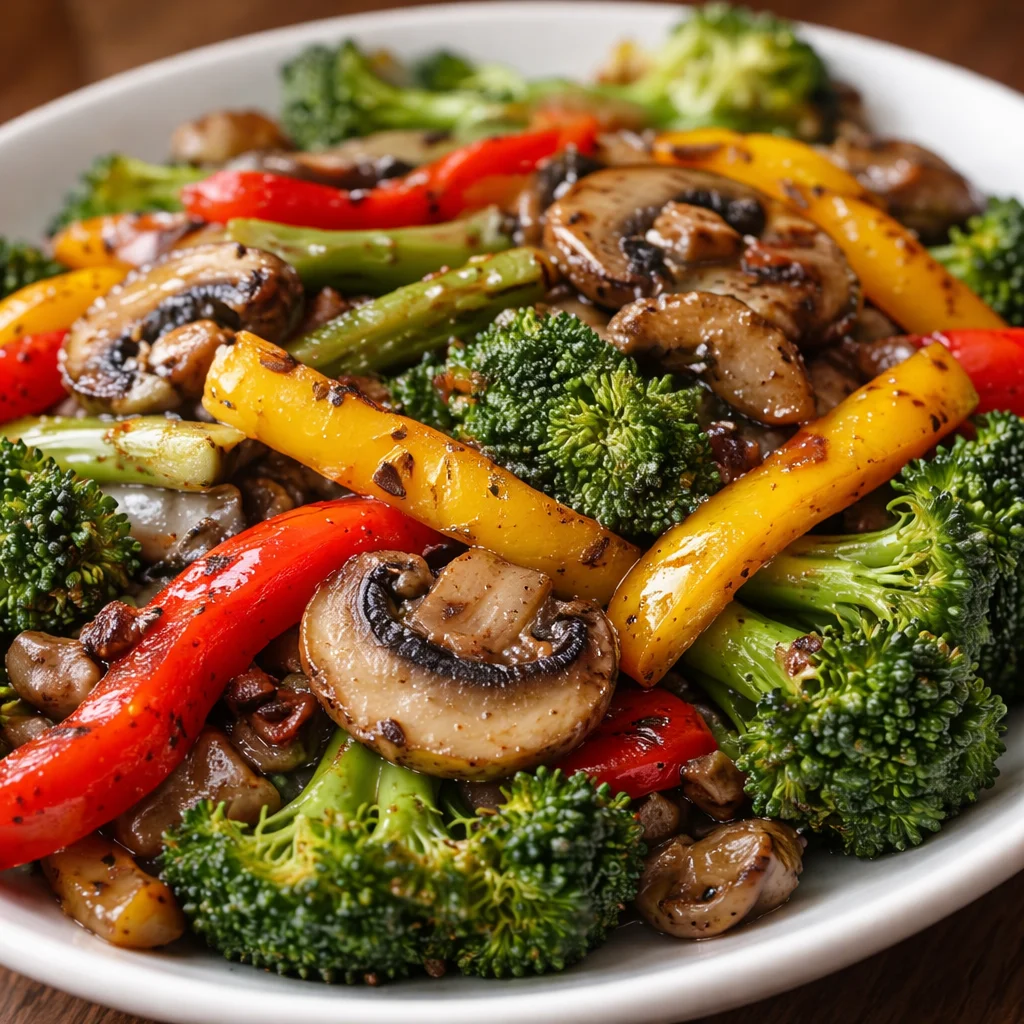
Healthy Sautéed Vegetables save my weeknights. If you’ve ever stood in front of the fridge at 6:30 p.m., staring at a jumble of produce and thinking dinner feels like a math problem, you’re not alone. This is my go-to method when I want something fast, colorful, and honestly pretty satisfying. The pan does most of the work, the veggies keep their crunch, and the flavor hits that sweet spot between fresh and cozy. Grab your skillet and let’s make this happen.
Essential Ingredients: Building a Nutrient-Dense Vegetable Medley
For a pan full of color and crunch, I lean on a simple formula: sturdy veg for structure, quick-cook veg for sweetness, and a couple bright accents for pop. Here’s my base combo that rarely fails. Use what you have, but try to mix textures and colors for the best result.
- Sturdy veg: broccoli florets, cauliflower, carrots, green beans, or sliced cabbage
- Quick-cook veg: bell peppers, zucchini, yellow squash, cherry tomatoes, mushrooms
- Aromatics: thinly sliced onion, minced garlic, grated ginger
- Healthy fats: avocado oil or light olive oil
- Seasoning base: kosher salt, black pepper, red pepper flakes
- Acid + finish: lemon juice or rice vinegar, and fresh herbs like parsley or basil
- Optional umami: tamari, coconut aminos, or a splash of balsamic
If you want a heartier spin, toss in cooked protein near the end. I do this with leftovers all the time. If you’re into sheet-pan style flavors, you might also enjoy this tasty twist: One Pan Greek Vegetables.
The Science of Sautéing: High Heat vs. Low Heat for the Perfect Crunch
High heat for browning
High heat means quick caramelization. That browning is flavor. When your pan is properly hot, veggies sizzle as soon as they hit the oil, which locks in juices and builds those browned edges we crave. You’ll see light charring on peppers and a golden crust on zucchini coins. This keeps the final bite crisp-tender rather than soggy.
Low heat for gentle softening
Low heat makes sense when you want sweetness and tenderness without browning. Think onions slowly softening until fragrant. Low heat works as a starting step for dense veg like carrots, but if you stay low all the way through, you’ll lose snap and color.
Find the sweet spot
My favorite approach is a combo. Start medium-high for the first 3 to 5 minutes to sear the veg, then lower to medium to finish without burning. That balance gives you bright color, juicy centers, and crisp edges. This is the backbone of great Healthy Sautéed Vegetables that taste like more than the sum of their parts.
Best Oils for Sautéing: Choosing High Smoke Point Healthy Fats
Top picks that can handle the heat
Not all oils love high heat. You want options with higher smoke points for those hot sizzling moments. My regular rotation: avocado oil, light olive oil, and refined coconut oil. Avocado oil is neutral and ideal for everyday cooking. Light olive oil brings mild flavor and better heat tolerance than extra virgin. Refined coconut oil is nice if you enjoy a hint of tropical aroma, though it’s subtle.
Save extra virgin olive oil for finishing. Drizzle a little at the end for a lovely aroma without risking smoke. If you’re watching fats, use less but don’t skip it. A bit of oil helps fat-soluble vitamins absorb better, and it carries flavor across the pan.
Prep Secrets: Uniform Slicing for Evenly Cooked Skillet Veggies
Here’s the unglamorous truth that changes everything: even slicing is everything. Cut pieces into similar sizes so they cook at the same rate. Broccoli florets should be roughly the same; zucchini coins should be the same thickness. If your carrots are thick, slice them thinner than your peppers since they take longer to soften.
Keep your cutting board dry as you go. Extra water sneaks into the pan and steams your vegetables. If you washed your veg right before cooking, pat them dry. Moisture is the difference between crisp-tender magic and a soft slump.
How to Sauté Vegetables: Step-by-Step Stovetop Instructions
- Preheat a large skillet on medium-high. Give it a full 2 minutes to get hot.
- Add 1 to 2 tablespoons of oil. It should shimmer but not smoke.
- Start with sturdy veg. Add carrots, broccoli, or green beans. Sauté 3 to 4 minutes, stirring only once or twice so they brown.
- Add quick-cook veg. Toss in peppers, zucchini, or mushrooms. Cook 3 to 5 minutes until crisp-tender.
- Push veg to the sides. Add a touch more oil if needed and bloom aromatics like garlic or ginger for 30 seconds.
- Season with salt, pepper, and optional umami sauce. Toss to coat.
- Turn off heat. Finish with a squeeze of lemon and herbs. Taste and adjust.
That’s it. Healthy Sautéed Vegetables come together in under 15 minutes and keep their color and bite. If you’re craving something hearty to go with them, this quick favorite is fantastic: Healthy Sausage Veggies.
The 2026 “Cabbage-Core” Trend: Adding Fiber-Rich Crunch to Your Sauté
Want to try the newest veggie obsession? Say hello to cabbage-core. Instead of tossing that center core, slice it thin and sauté it with your mix. It turns a little crisp and nutty with a sweet finish. You get more fiber and less waste, and it tastes awesome with garlic, a pinch of chili flakes, and a splash of rice vinegar.
To nail it, slice the core into thin planks or matchsticks. Add it to the pan early with carrots so it has enough time to soften slightly while still staying crisp. Finish with a tiny drizzle of sesame oil and a sprinkle of toasted seeds. It’s unexpectedly addictive and feels very smart-kitchen and budget-friendly at the same time.
Pro Tips for Texture: How to Avoid Soggy Vegetables Every Time
Small fixes that change everything
Give your skillet room. Overcrowding traps steam and softens veg. Use a big pan, or cook in two rounds and combine at the end. Don’t salt too early. Salt draws out moisture, so season halfway through or near the end for better browning. Avoid excessive stirring. Let the veg sit for a minute to sear, then flip and repeat.
If things start to steam, nudge the heat up, and don’t be afraid to finish with acid. A splash of lemon wakes everything up. These little habits keep Healthy Sautéed Vegetables bright and lively instead of limp.
Flavor Boosters: Using Fresh Aromatics, Umami Sauces, and Global Spices
Simple combos that taste like a plan
Try garlic, ginger, and scallions with a splash of tamari for a quick Asian-style vibe. Go Italian with onion, garlic, cherry tomatoes, balsamic, and basil. For a smoky hit, use paprika, cumin, and a squeeze of lime. If mushrooms are in the pan, a tiny amount of butter at the end adds roundness without making it heavy.
Keep a small rotation of boosters in your pantry: tamari, coconut aminos, balsamic vinegar, toasted sesame oil, paprika, chili flakes, and lemon or lime. A little goes a long way.
Healthy Variations: Low-Carb, Vegan, Mediterranean, and Protein-Packed Options
Low-carb lovers can lean into zucchini, mushrooms, cabbage, and peppers, then finish with herbs and lemon. Vegan is easy here since you’re already working with plants. Add chickpeas or tofu for protein, or shower everything with toasted almonds or hemp seeds. For Mediterranean flair, fold in olives, artichokes, and oregano, then finish with feta if you like.
For protein-packed dinners, serve your veggies with grilled chicken or fold in cooked rotisserie chicken at the end. If you want a full skillet meal that nails those weeknights, check out this reliable favorite: Chicken Vegetables Skillet. And for a comfort-food twist that still keeps things fresh, you might love Chicken Parmesan Vegetables. Both pair beautifully with Healthy Sautéed Vegetables.
Customizing Your Side Dish: Best Vegetables for Quick Stovetop Sautéing
Pick veggies that like a quick sizzle. Peppers get sweet, zucchini turns silky with caramelized edges, and mushrooms soak up flavor like they were built for it. Broccoli and green beans give chew and structure. Cabbage is the sleeper hit. Cherry tomatoes add bursty juice and a little sauce by the end. If you’re mixing fresh and frozen, start with fresh and toss the frozen in near the end so they warm without watering down the pan.
Perfect Pairings: What to Serve with Your Healthy Sautéed Side Dish
Pair your veg with seared salmon, baked chicken thighs, quinoa bowls, or thinly sliced steak. It also goes nicely with omelets and frittatas for breakfast-for-dinner nights. Looking for a flavor-packed partner that keeps the dishes minimal? Try this easy Mediterranean idea: One Pan Greek Vegetables for a veggie-forward plate that still feels bold. You can also spoon Healthy Sautéed Vegetables over garlic mashed potatoes or creamy polenta for a cozy twist.
Meal Prep and Storage: Reheating Tips to Maintain Freshness and Bite
Let everything cool before sealing it in containers. Excess steam in the container leads to sogginess. Store in the fridge for up to 4 days. For reheating, hit a skillet with a slick of oil on medium-high and warm the veggies just until hot. This helps re-crisp edges. The microwave works in a pinch, but keep it short and vent the container to avoid steam overload.
If you want to freeze, stick to sturdier veg like broccoli and green beans. Keep sauces separate and add fresh herbs after reheating so they taste bright instead of muted.
Nutritional Breakdown: Fiber, Antioxidants, and the Benefits of “Eating the Rainbow”
Each color on your plate brings something different. Orange vegetables like carrots bring beta carotene for healthy eyes. Leafy greens and broccoli offer vitamins K and C. Purple onions and red cabbage bring anthocyanins that support overall health. Mixing colors boosts your nutrient intake without any extra work. Plus, the fiber keeps you full and helps with digestion.
Cooking with a little fat helps your body absorb fat-soluble vitamins A, D, E, and K. A squeeze of lemon adds vitamin C, which can support iron absorption from plant foods. So yes, that last-minute squeeze of citrus really does more than taste good.
For a quick checkpoint: if your plate looks like a paint palette and you can still see texture on each vegetable, you’re doing it right. Healthy Sautéed Vegetables make it easy to hit your nutrient goals without fuss.
Common Questions
Q: Can I make this with frozen vegetables?
A: Yes. Sauté fresh veg first, then add frozen near the end so they heat through without flooding the pan. Keep the heat slightly higher to manage moisture.
Q: How do I keep garlic from burning?
A: Add garlic after the vegetables have some color. Give it 30 seconds in a little oil, then toss everything together and cut the heat.
Q: What if I don’t have a big skillet?
A: Cook in batches. Combine everything at the end with a splash of sauce so it tastes cohesive and not steamed.
Q: Can I add pasta or grains?
A: Totally. Toss the sautéed veg with cooked pasta, farro, or quinoa. Add a squeeze of lemon and a sprinkle of cheese or nutritional yeast.
Q: What protein goes best?
A: Chicken and sausage are both great, and tofu browns beautifully. For a one-pan option that leans hearty, peek at Healthy Sausage Veggies.
A tasty wrap-up for your weeknight table
At the end of the day, Healthy Sautéed Vegetables are about speed, color, and that crisp bite that makes you think wow, I made something good and I still have energy left. Keep your cuts even, your pan hot, and your finish bright with lemon and herbs. If you want another riff to compare with tonight’s skillet, this quick guide is helpful and clear: Sauteed Vegetables Recipe (20 Minutes!) – Wholesome Yum. Now grab what’s in your crisper and give this a try. You’ll be shocked how fast a pan of veggies can turn into dinner you’re excited to eat.
Print
Healthy Sautéed Vegetables
- Total Time: 15 minutes
- Yield: 4 servings 1x
Description
A quick and colorful method to sauté vegetables that retains their crunch and flavor, perfect for busy weeknights.
Ingredients
Sturdy Vegetables
- 1 cup broccoli florets (Can substitute with cauliflower, carrots, green beans, or sliced cabbage)
Quick-Cook Vegetables
- 1 cup bell peppers (Can also use zucchini, yellow squash, cherry tomatoes, or mushrooms)
Aromatics
- 1 medium onion, thinly sliced
- 2 cloves garlic, minced
- 1 tablespoon grated ginger
Healthy Fats
- 2 tablespoons avocado oil (Can substitute with light olive oil)
Seasoning
- 1 teaspoon kosher salt
- 1/2 teaspoon black pepper
- 1/4 teaspoon red pepper flakes (Optional)
Finishing Touches
- 1 tablespoon lemon juice (Can substitute with rice vinegar)
- 1 tablespoon fresh herbs (parsley or basil) (For garnish)
Instructions
Preparation
- Preheat a large skillet on medium-high for 2 minutes.
- Add 1 to 2 tablespoons of oil to the hot skillet.
Cooking
- Start with sturdy vegetables. Add carrots, broccoli, or green beans and sauté for 3 to 4 minutes, stirring once or twice to allow browning.
- Add quick-cook vegetables such as peppers, zucchini, or mushrooms. Cook for 3 to 5 minutes until crisp-tender.
- Push vegetables to the sides of the skillet. Add more oil if needed and bloom garlic and ginger for 30 seconds.
- Season with salt, pepper, and the optional umami sauce. Toss everything to combine.
Finishing
- Turn off the heat and finish with a squeeze of lemon juice and fresh herbs. Taste and adjust seasoning as needed.
Notes
Store in the fridge for up to 4 days. Reheat in a skillet to maintain crispness. Frozen vegetables can be added later during cooking.
- Prep Time: 10 minutes
- Cook Time: 5 minutes
- Category: Side Dish, Vegetable
- Cuisine: Healthy, Vegetarian
Nutrition
- Calories: 120
- Sugar: 4
- Sodium: 300
- Fat: 7
- Saturated Fat: 1
- Carbohydrates: 15
- Fiber: 5
- Protein: 3












 Appetizers & Sides
 Main Dishes
 Drinks & Wellness
 Desserts & Baking